What's inside
As an Amazon Associate I earn from qualifying purchases. This post may contain affiliate links at no extra cost to you.
Our Top Picks
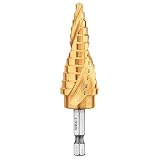
 Klein Tools KTSB15 Step Drill Bit #15 Double7/8 to 1-3/8-Inch5.2 x 3.4 x 0.7 inches0.4 PoundsCheck on Amazon


Quick answer
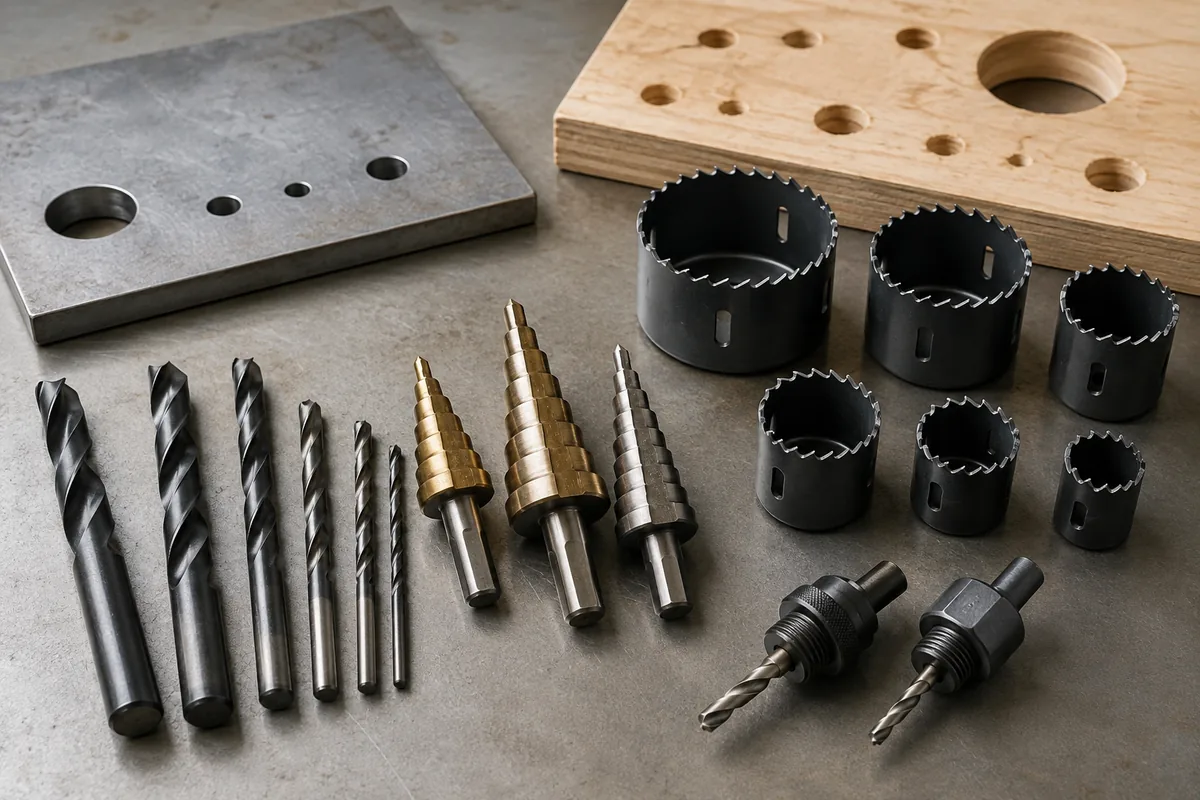
For a modest enlargement in a thin metal electrical box, a step drill bit is usually the better choice: it removes material gradually, is easy to control, and can make several common knockout sizes with one bit. A hole saw is the better choice when you need a larger opening, a cleaner circular cut, or a hole through thicker material—but it needs more clearance and is easier to bind.
Before either tool goes near the box, confirm that the box is safe to work on and that the new opening will accept the connector you plan to install. If the box is already mounted and contains wiring, removing it or protecting the wiring may be necessary. A bit that catches a cable can turn a quick enlargement into a serious repair.
As an Amazon Associate we earn from qualifying purchases at no extra cost to you.

What you are cutting matters
Electrical boxes vary. A common steel box is made from relatively thin sheet metal, while plastic boxes and cast or heavy-duty enclosures behave differently. The right tool depends on the box material, the opening’s starting size, the final hole diameter, and whether the box can be removed and secured for cutting.
Check the connector’s specified hole size rather than relying on its nominal trade size. A connector described by a trade size may require a larger opening than that number suggests. Also check the box manufacturer’s instructions and any applicable electrical requirements; enlarging or adding an opening must not compromise the box’s listing, structural integrity, or required bonding.
Step bit vs. hole saw
| Factor | Step drill bit | Hole saw |
|---|---|---|
| Best fit | Small to medium holes in thin sheet metal | Larger holes or cuts in thicker material |
| How it cuts | Steps enlarge the hole in increments | A toothed cup cuts around the hole’s perimeter |
| Control | Good for gradual enlargement; easy to stop at the wrong step if you rush | Needs a pilot hole and firm control; more likely to grab or chatter |
| Cut quality | Can leave a clean edge, but the largest steps may distort thin sheet | Can make a consistent circle; teeth may leave burrs |
| Clearance needed | Generally compact | Requires room for the cup and often a pilot bit |
| Typical drawback | Limited maximum diameter; can ovalize thin metal under pressure | Binding, snagging, heat, and damage behind the box |
When a step bit is the sensible buy
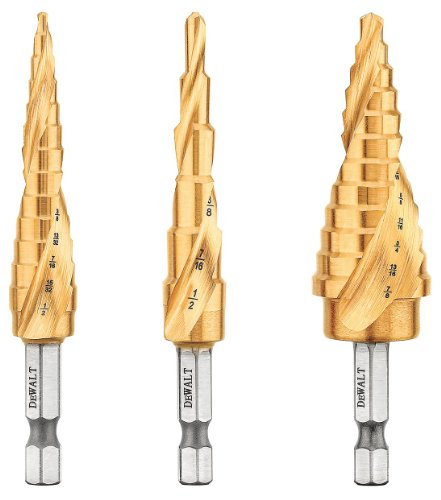
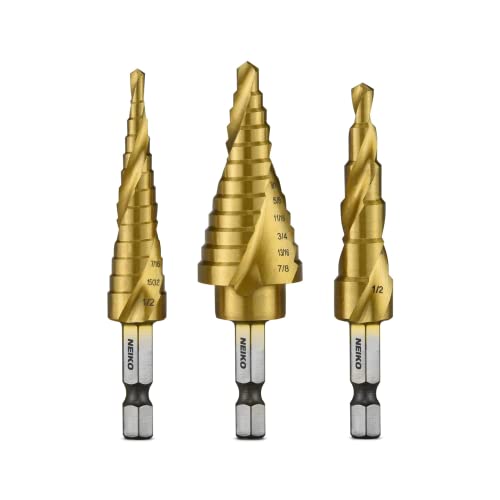
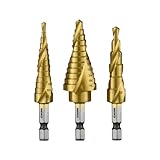
A step bit is a practical pick when the hole only needs to grow by a few sizes and the box wall is thin. Its stepped profile lets you start in an existing opening and advance to the required diameter. A single bit may cover several sizes, which is useful for occasional electrical work and often costs less than buying multiple hole saws.
Choose a bit whose stated size range includes the required opening. A step drill bit for metal is not a substitute for checking the actual cut diameter: stop at the marked step that matches the connector requirement. If you go one step too far, the connector may not seat or its locknut may not cover the gap.
Use a drill with variable speed, keep the bit square to the box, and apply steady, moderate pressure. Thin steel often cuts best at low speed; follow the bit maker’s guidance and use cutting lubricant if recommended. Don’t lean hard on the drill to force the next step. Excess pressure can deform the box, make an uneven hole, or cause the bit to catch as it breaks through.
When a hole saw is worth the extra setup
A hole saw is the stronger option for a larger round opening, especially where a step bit would exceed its capacity or require too much pressure. It can also be more appropriate for thicker material, provided the saw is rated for that material and the drill has enough power. Pick the saw by the required finished diameter, not by the connector’s trade-size label.
A metal-cutting hole saw needs a centered pilot hole and firm workholding. Clamp a loose box securely; don’t hold it in your hand while drilling. Use controlled speed and avoid forcing the cut. If the saw binds, stop the drill and free it rather than twisting harder. The slug can stay trapped in the cup, so let the tool stop before removing it.
The trade-off is bulk and risk. A hole saw can snag on an existing opening, tear thin sheet, or hit wiring and other material behind the box. It also leaves a circular slug and usually needs more room than a step bit. For one small enlargement in a thin box, that setup may be more hassle than it is worth.
Setup and finishing make the difference
If the box is installed, de-energize the circuit at the breaker and verify it is de-energized with an appropriate tester. Keep wires clear of the cutting path; switching off a wall switch is not enough. When practical, remove the box and secure it on a stable surface. If you cannot protect the wiring or provide tool clearance, stop and have the work handled safely rather than drilling blindly.
Wear eye protection. Metal chips are sharp, and a cut edge can slice skin. After cutting, remove the burr with a deburring tool or suitable file, then clear all chips from the box. A burr can damage insulation or prevent a connector from seating flat. Inspect the cut for distortion and check that the connector fits securely without excessive play.
Which one should you buy?
For occasional work enlarging small knockouts in thin steel boxes, a basic step bit with the right diameter range is usually the economical choice. A step bit sized for electrical-box openings can handle more than one opening size without a set of separate cutters. It is fine to choose the cheaper option if its range, material rating, and shank suit the job.
Buy a hole saw when the required diameter is beyond the step bit’s range, when the material is too thick for a clean step-bit cut, or when you have several identical larger holes to make. For one thin-box enlargement, a hole saw is not automatically cleaner or safer. The deciding factors are the box material, the specified hole diameter, access behind the cut, and your ability to secure the work—not the tool’s price alone.