What's inside
As an Amazon Associate I earn from qualifying purchases. This post may contain affiliate links at no extra cost to you.
The best Jordan sneakers for most buyers in 2026 are the Air Jordan 1 Low or Mid for everyday versatility, the Air Jordan 4 for statement styling, and the Jordan Luka line for actual performance on court — but the right pick depends on whether you prioritize comfort, durability, resale value, or a specific silhouette.
As an Amazon Associate we earn from qualifying purchases at no extra cost to you.


Our Top Picks


How Jordan Models Actually Differ
Jordan retros are not interchangeable. The main variables are midsole cushioning tech, upper materials, cut height, and weight — all of which change how a shoe wears day to day.
| Model | Cushioning | Upper Material | Approx. Weight (US 9) | Typical Price Range | Best For |
|---|---|---|---|---|---|
| Air Jordan 1 Low | EVA wedge, Air unit | Leather/synthetic leather | ~340 g | $110–$125 retail | Daily casual wear, easy styling |
| Air Jordan 1 Mid | EVA wedge, Air unit | Mixed leather, nubuck | ~370 g | $115–$135 retail | Low-cost entry into the AJ1 look |
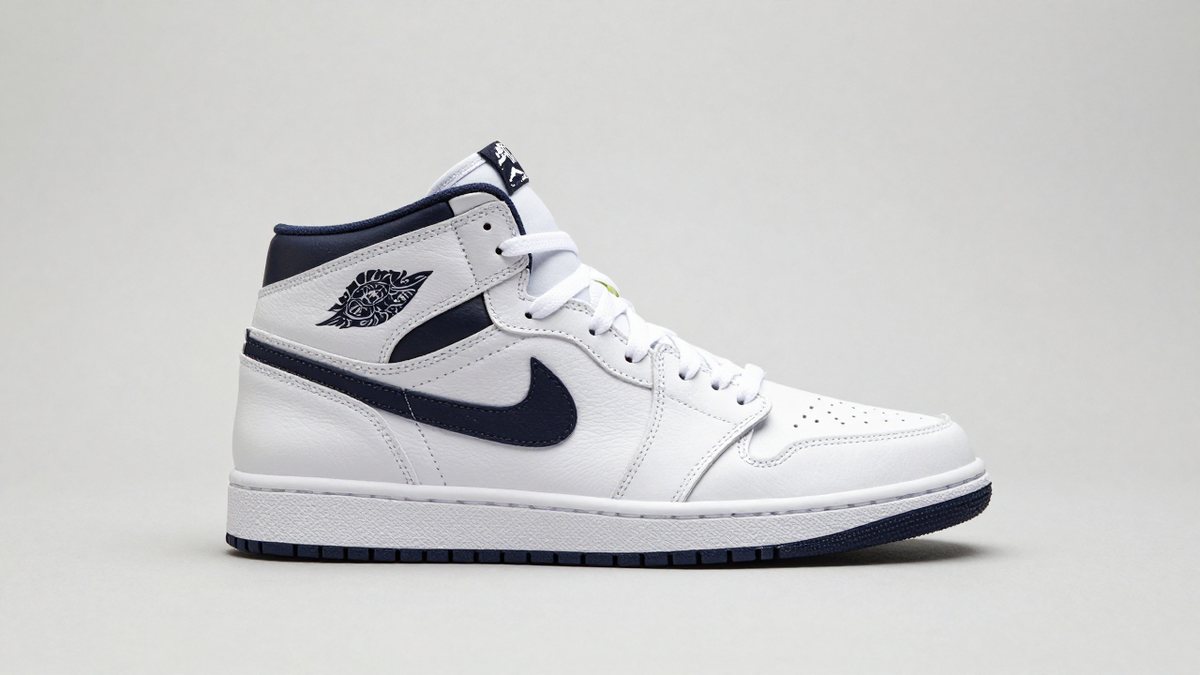
| Air Jordan 1 High OG | EVA wedge, Air unit | Tumbled leather | ~430 g | $180 retail (resale higher on limited pairs) | Collectors, classic styling |
| Air Jordan 3 | Encapsulated Air, polyurethane midsole | Leather with elephant print | ~410 g | $200 retail | Mid-top support, iconic look |
| Air Jordan 4 | Encapsulated Air heel + forefoot | Leather or nubuck, mesh | ~420 g | $210–$215 retail | Statement styling, solid daily comfort |
| Air Jordan 11 | Full-length Air, carbon plate | Patent leather + ballistic mesh | ~440 g | $230 retail | Formal-adjacent styling, retro performance |
| Jordan Luka (performance line) | Formula 23 / dual-density foam | Engineered mesh | ~340 g | $90–$130 retail | Actual basketball, frequent wear |
Decision Matrix: Match Your Situation to a Model
| Your Priority | Pick | Why |
|---|---|---|
| Budget under $130 | AJ1 Mid or Jordan Luka | Same silhouette families at lower retail, widely stocked |
| Wear 5+ days a week | AJ1 Low or AJ4 | Full leather uppers hold shape; soles tolerate pavement |
| Play basketball regularly | Jordan Luka / Zion / Tatum lines | Modern traction and foam; retros lack lateral support |
| Hot climate | AJ1 Low or Luka | Lower cut and mesh options breathe better than leather mid-tops |
| Dressing up slightly | AJ11 or a clean white AJ1 | Patent leather and monochrome colorways read smarter |
| Resale/collector value | AJ1 High OG or limited AJ4 colorways | OG releases historically hold value; general-release pairs do not |
| Wide feet | AJ4 or AJ3 (size up ½) | Roomier toe boxes than the narrow AJ1 |
Fit and Sizing Notes That Listings Skip
Sizing quirks are the most common reason for returns:
- Air Jordan 1 (all cuts): Runs narrow through the toe box. Wide-footed wearers typically go up half a size; narrow feet stay true to size.
- Air Jordan 4: Fits snug initially due to the molded heel cage — it relaxes after roughly 10–15 hours of wear.
- Air Jordan 11: Runs slightly long; many go down half a size, but the patent leather doesn’t stretch, so err toward true to size if between sizes.
- Air Jordan 3: True to size for most; the thickest tongue in the line, which affects instep fit for high-arched feet.
A worked sizing example: if you measure 27.0 cm (US 9 in Nike’s chart) with a foot width over 10.5 cm, expect the AJ1 to pinch — a 9.5 adds ~4 mm of length and proportionally more width, which is usually enough.
Ownership Realities: What Wears First
- Creasing: The leather toe box on AJ1s and AJ4s creases visibly within weeks of regular wear. This is cosmetic, not structural, but crease protectors (under $15) slow it significantly.
- Patent leather (AJ11): Scuffs are permanent — the coating can’t be polished out like standard leather. Store away from other shoes touching it.
- Paint chipping: Midsole paint on AJ3s and AJ4s chips at the flex points, often within the first year. It’s the most common cosmetic complaint across the line.
- Sole separation on older retros: Polyurethane midsoles on pre-2010 AJ3s, AJ4s, and AJ11s can hydrolyze and crumble if stored in humid, unworn conditions. Pairs made after roughly 2018 use formulations that hold up far better — a real reason to prefer recent retros for wearing.
- Traction wear: Herringbone rubber on Luka/Tatum performance models lasts roughly 4–6 months of outdoor court use before grip degrades; indoor-only use extends that to a year or more.
Cost Per Wear: Is the Premium Pair Worth It?
A general-release AJ1 Low at ~$115 worn 100 times over a year costs about $1.15 per wear. A hyped AJ4 at $300 resale worn the same amount costs $3 per wear — nearly 3x for a different look rather than better function, since cushioning tech across the retro line is broadly similar. The math favors general-release colorways for actual wearers and reserves premium pricing for collectors who care about the specific release.
Care and Maintenance
- Wipe leather uppers with a damp cloth weekly; use a leather conditioner every few months to prevent cracking.
- Avoid machine washing — it degrades the glue joints and can delaminate patent leather.
- Rotate pairs if wearing daily; midsoles need ~24 hours to decompress between wears to retain cushioning.
- Store away from direct sunlight; yellowing of rubber soles and white leather is UV-driven and irreversible.
FAQ
Are Jordan 1s comfortable enough for all-day wear?
They’re adequate — the EVA/Air combo is firm by 2026 standards. For 8+ hours on your feet, performance models with modern foam (Luka, Tatum) are noticeably more forgiving.
Do Jordan retros fit like modern running shoes?
No. Retros run narrower and firmer. If you’re used to plush running-shoe fit, size up half a size and expect a stiffer ride.
Is it worth buying limited colorways at resale?
Only for the look or collection value — the construction and materials on general releases are comparable, so you’re paying a premium for scarcity, not quality.