Key takeaways
- A neutral, table-led comparison of shop vacs and dust extractors covering filtration, suction behavior, hose design, tool sync and long-term running costs.
What's inside
As an Amazon Associate I earn from qualifying purchases. This post may contain affiliate links at no extra cost to you.
Most people buy a shop vac, use it behind a sander for an afternoon, and conclude that dust collection is a scam. The bag clogs, suction dies, and a haze of fine powder still settles on every flat surface in the garage. The shop vac vs dust extractor decision is not about which machine is stronger. It is about which one is designed to move air through a clogged filter for an hour straight while a tool is running, and which one is designed to swallow a broken flower pot and a puddle of rainwater.
Both categories overlap enough to confuse buyers, and both are sold in the same aisle at the same big-box stores. The difference shows up in filtration, hose behavior, automatic tool start, noise, and what happens to airflow as the filter loads up. Here is the honest split.
As an Amazon Associate we earn from qualifying purchases at no extra cost to you. Product prices and availability are accurate as of the date shown and are subject to change.


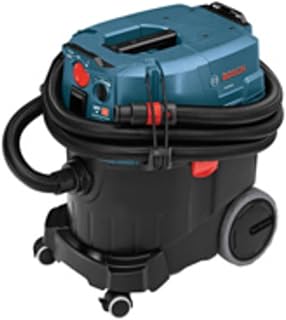
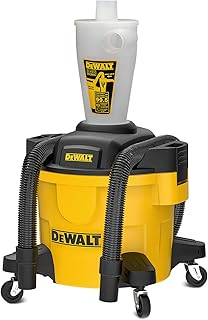


| Factor | Shop Vac (wet/dry vac) | Dust Extractor (HEPA/dust class) |
|---|---|---|
| Design goal | Move debris and liquid fast | Maintain airflow through a loading filter |
| Typical filtration | Cartridge filter, optional fine dust bag | HEPA or dust-class certified, often self-cleaning |
| Suction behavior over time | Drops noticeably as filter loads | Held far more steady by filter cleaning |
| Hose | Wide, stiff, kink-prone, often 1-7/8 in | Narrower, flexible, antistatic, tool-friendly cuffs |
| Tool sync | Rare, sometimes an accessory outlet | Standard auto-start outlet on most models |
| Noise | Loud, whistle-heavy | Usually quieter and lower pitched |
| Wet pickup | Excellent, core use case | Varies by model, check the manual |
| Price band | Budget to low mid | Mid to premium |
| Warranty | Often 1 to 5 years, brand dependent | Commonly 2 to 3 years, extendable with registration |
| Best for | Cleanup, spills, cars, job site trash | Sanding, routing, tracksaws, drywall, tile |
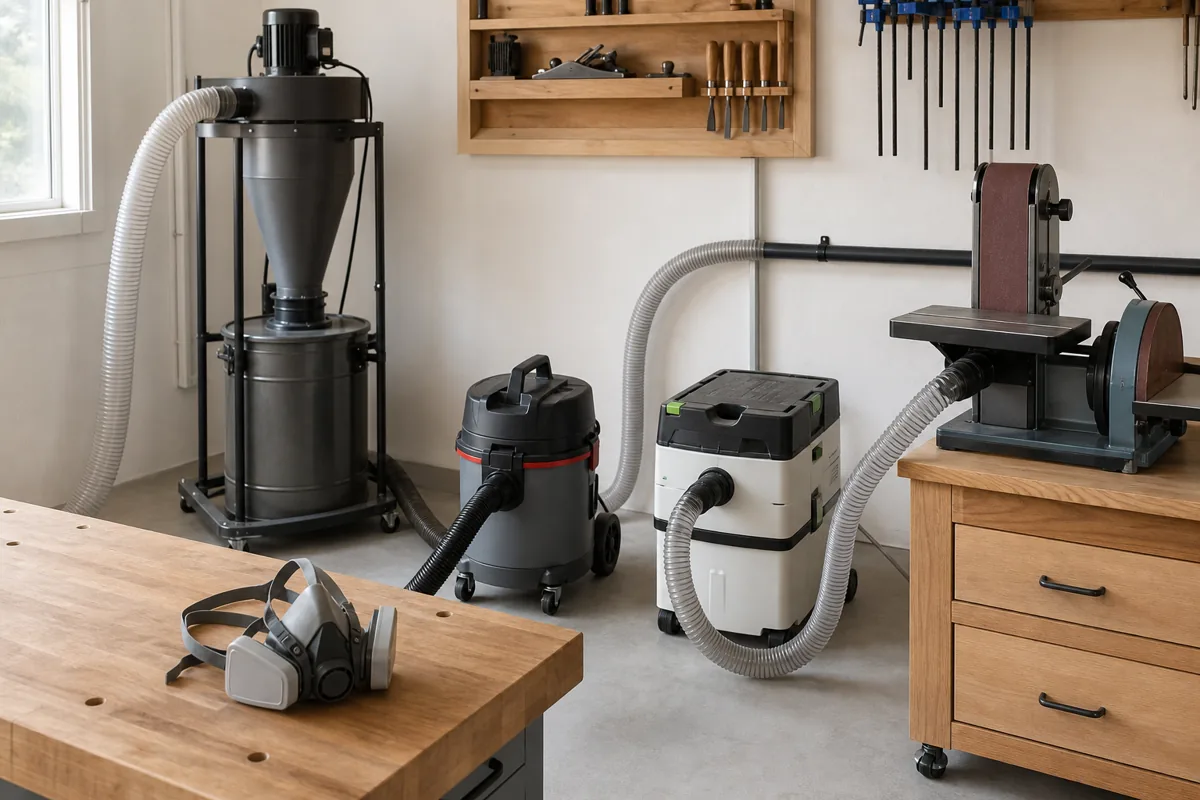
Shop vac vs dust extractor: the core design philosophies
A wet/dry shop vac is a debris mover. The engineering priority is volume and versatility: a wide hose so nails, wood chips, and drywall chunks pass without jamming, a big drum, and a motor that tolerates water. The filter exists to protect the motor, not to guarantee clean exhaust air. That is why a bare shop vac aimed at a sander produces a visible plume. The fine stuff either passes through or plugs the cartridge, and once it plugs, airflow collapses.
A dust extractor is an airflow maintenance device. It assumes the incoming dust is fine and abundant, so it uses certified filter media and, on most mid-tier and up models, an automatic filter cleaning cycle that pulses or shakes the filter every 15 to 30 seconds. That single feature is the biggest practical difference in daily use. A shop vac starts strong and fades. An extractor starts a bit lower on raw suction and holds close to that number for the whole session.
The second philosophy gap is the hose. Shop vac hoses are optimized for cross section, which is great for chunks and terrible for handheld work: they are stiff, they kink at the tool, and they build static that zaps your forearm. Extractor hoses are smaller in diameter, far more flexible, usually antistatic, and come with cuffs sized to actual tool ports rather than a generic taper adapter. If you have ever fought a hose that keeps yanking your random orbital sander off the workpiece, you already understand why this matters.
Filtration is the health argument, not a marketing bullet
Wood dust, silica from concrete and tile, and drywall compound are respiratory hazards, and the particles that matter most are the ones you cannot see hanging in the air. A shop vac with a standard cartridge filter captures the visible fraction and passes a meaningful share of the invisible fraction straight back into the room. Adding a fine dust bag plus a fine-pleat filter closes a lot of that gap, and for occasional garage projects that combination is a reasonable compromise.
Where the compromise stops working is repeat exposure. If you sand every weekend, cut sheet goods indoors, or do any silica-producing work, the certified filtration and sealed construction of a real extractor is the point of the purchase. Sealing matters as much as media, since air that leaks around a filter never gets filtered at all. Pair either machine with a respirator for heavy work. No vacuum is a substitute for a mask.
Wet/Dry Shop Vacs for General Cleanup
If your list is car interiors, basement water, sawdust sweep-up, and job site trash, buy here and spend the savings on a fine dust bag and a spare filter. Look for a stainless or polypropylene drum, a hose you can actually store, and blower port capability. Ignore peak horsepower claims entirely; they are measured in ways that do not reflect airflow at the nozzle.
Automatic tool start and why it changes the workflow
Most dust extractors include a switched outlet: plug your sander or saw into the vacuum, and the vacuum starts when the tool starts and runs a few seconds after to clear the hose. It sounds like a small convenience. In practice it is the reason the machine actually gets used, because you stop making the decision to walk over and flip a switch every single cut. Cordless users get a version of this too, with Bluetooth remote start modules on some Milwaukee, DeWalt, and Makita extractors, though implementation and pricing vary by generation, so read the current listing rather than assuming.
A few shop vacs offer a similar outlet, but check the amperage rating carefully before you plug in a corded circular saw. On the extractor side, verify the total draw of tool plus vacuum stays under the outlet rating, especially on a 15 amp household circuit.
Range, availability, and how prices behave
Shop vacs are a mature, commoditized category. Availability is excellent year-round in 2 to 16 gallon sizes, replacement filters and bags are on every shelf, and prices swing hard around holiday sale windows. Black Friday and spring cleanup promotions routinely knock a meaningful chunk off the mid-size models, and the accessory kits get bundled in. There is little reason to pay full sticker.
Dust extractors behave differently. The lineups are shorter, tied to professional tool platforms like DeWalt XR, Milwaukee FUEL, Makita LXT, plus dedicated dust control brands, and they discount less often and less deeply. Stock is thinner at general retailers and better at tool specialists and pro-focused suppliers. Filter replacements cost more and are model specific, so factor consumables into the total. Warranty terms usually run two to three years with registration extending coverage on some brands, and parts support tends to be genuinely better than on budget vacs, which is a real advantage on a machine you expect to keep for a decade.
HEPA Dust Extractors with Auto Filter Cleaning
Worth the premium if you sand, rout, cut tile, or work indoors on other people’s homes. Prioritize automatic filter cleaning, an antistatic hose, a switched tool outlet, and readily available filters in that order. Confirm wet pickup capability in the manual if you also need spill duty, since not every extractor is rated for it.
Honest tradeoffs
- ✔ Extractors hold suction steady through long sanding and cutting sessions
- ✔ Certified filtration and sealed bodies keep fine dust out of your lungs
- ✔ Auto tool start makes collection automatic instead of optional
- ✔ Flexible antistatic hoses do not fight the tool
- ✔ Better parts and warranty support on pro lines
- ✘ Extractors cost substantially more up front and discount less
- ✘ Model-specific filters and bags raise long-term running cost
- ✘ Narrower hoses clog on chunky debris a shop vac swallows easily
- ✘ Not every extractor is rated for wet pickup
- ✘ Shop vacs still win on raw versatility per dollar
Who should buy which
Buy a shop vac if your dust is mostly chips and sweepings, you need wet pickup, you want a blower port, and the machine will spend most of its life cleaning rather than attached to a tool. A 5 to 8 gallon unit with a fine dust bag covers an enormous amount of home workshop ground for a modest outlay.
Buy a dust extractor if fine dust is the whole problem: sheet goods, drywall, tile, MDF, or any sanding you do regularly. Also buy one if you work in customers’ homes, where visible airborne dust costs you jobs. And if the budget only stretches one way, a mid-tier extractor plus a cheap secondhand shop vac for wet and chunky work is a smarter combination than one expensive machine trying to do both.
FAQ
Can I turn a shop vac into a dust extractor with a HEPA filter? Partly. A fine dust bag plus a HEPA-rated cartridge filter improves capture significantly and is a cheap upgrade worth making. What you cannot add is automatic filter cleaning, a genuinely sealed body, or a flexible antistatic hose, so suction will still fade during long sanding sessions and some air will bypass the media through leaks.
Do I need a cyclone separator? It helps either machine a lot. A separator drops the bulk of the debris before it reaches the filter, which extends filter and bag life and keeps airflow higher for longer. On a shop vac it is close to mandatory for woodworking. On an extractor it reduces how often the auto-clean cycle has to work.
Is a bigger drum or higher horsepower rating better? Neither number tells you what you want to know. Drum size only changes how often you empty it, and peak horsepower figures are marketing artifacts. Airflow in CFM and sealed suction in inches of water lift, taken together, describe real performance, and consistency of airflow as the filter loads matters more than any single peak figure.
The short version: shop vacs are cleanup tools that tolerate dust, extractors are dust tools that tolerate cleanup. Match the machine to the dust you actually make, and check the current price band before you commit, since the two categories discount on completely different schedules.
Check prices on Amazon →