What's inside
As an Amazon Associate I earn from qualifying purchases. This post may contain affiliate links at no extra cost to you.
Our Top Picks
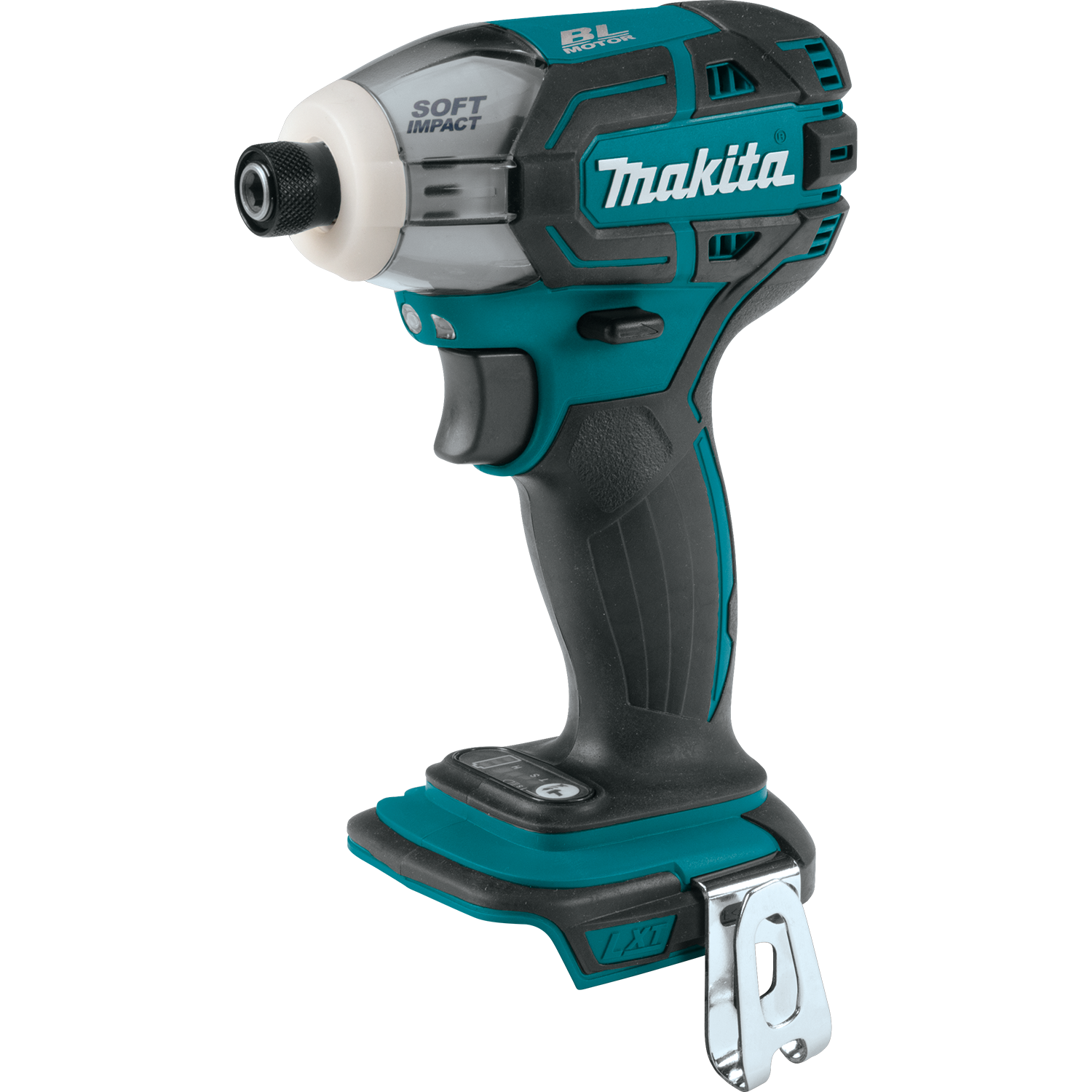
 Makita XST01Z 18V LXT® Lithium-Ion Brushless Cordless Oil-ImpulseOne Size3.31 x 8.07 x 5.79 inchesCheck on Amazon

Quick answer: the Makita is the quieter choice
For reducing noise during repeated fastening, the Makita XST01Z is generally the better bet. Its oil-impulse drive avoids the sharp hammering sound of a conventional impact driver, and Makita lists it at 76 dB(A). Milwaukee’s M12 FUEL SURGE 2551-20 is also a hydraulic driver, but Milwaukee’s published noise figure is 87 dB(A). Those figures favor the Makita by 11 dB on paper—a meaningful difference, though real noise depends on the fastener, material, distance, and test method.
Neither tool is silent, and neither should be treated as a substitute for hearing protection in a noisy shop. The Makita is a 18V-class tool with more capacity for longer or tougher work. The Milwaukee is a compact 12V driver that is easier to carry into tight spaces. Pick for the work you do, not just the decibel number.
As an Amazon Associate we earn from qualifying purchases at no extra cost to you.


What the noise numbers mean
| Factor | Milwaukee M12 FUEL SURGE 2551-20 | Makita XST01Z |
|---|---|---|
| Drive type | Hydraulic impact mechanism | Oil-impulse mechanism |
| Published sound level | 87 dB(A) | 76 dB(A) |
| Battery platform | 12V | 18V LXT |
| Best fit | Compact work and existing M12 kits | Quieter repeated fastening and heavier workloads |
A decibel difference is not a simple percentage. The scale is logarithmic, and a 10 dB increase is often perceived as roughly twice as loud, though perception varies. The quoted figures are useful for comparing published specifications, not a promise that the Makita will always sound exactly 11 dB quieter on your job. A long structural screw driven into dense lumber can sound quite different from a short cabinet screw in softwood.
Hydraulic and oil-impulse drivers also change the character of the noise. Instead of the rapid, hard blows associated with a standard impact driver, they deliver a smoother pulsing action. That can make them less fatiguing in a room or occupied building, even when the difference on a meter is smaller than expected.
Quietness comes with performance trade-offs
The XST01Z has the advantage when the job involves lots of fastening, longer screws, or work where a 12V tool would be near its limits. Its 18V platform gives it more room for sustained output, though an oil-impulse driver is not automatically the fastest choice for every fastener. If speed in demanding structural fastening is the priority, compare both against a conventional impact driver as well; those can be louder but may finish the task faster.
The M12 SURGE earns its place through size and convenience. It is easier to maneuver in cabinets, between framing members, or overhead, and it makes sense if you already own M12 batteries. For trim, electrical work, cabinetry, and ordinary construction screws, its capacity is often enough. Asking it to drive a steady run of large, long screws into dense material can mean slower progress, more heat, and more battery use. If it bogs down, stop rather than leaning hard on the tool; forcing a stalled driver can overheat it or damage the fastener head.
Both use a standard 1/4-inch hex collet. Keep bits fully seated and use a quality bit matched to the screw. A worn or undersized bit cam-outs more readily, stripping the screw and adding time—and noise—to the job.
Which one should you buy?
Choose the Makita XST01Z if noise is a deciding factor, you drive fasteners for long stretches, or you already have Makita 18V LXT batteries. It is the more compelling option for a quieter production tool, particularly when the extra size and weight are acceptable. Check the kit contents before buying: bare-tool listings do not include a battery or charger, and a battery platform you do not own can change the total cost substantially.
Choose the Milwaukee M12 FUEL SURGE if compactness matters more than maximum capacity, your jobs are mostly light to medium fastening, and your M12 batteries are already on the shelf. It is a sensible purchase for occasional users who want a quieter-feeling alternative to a standard impact driver without building another battery system. For that use, paying extra for a larger platform may not return much.
If you are shopping for the category rather than a specific tool, compare current kits and bare tools under Makita oil-impulse drivers and Milwaukee M12 SURGE drivers. Confirm the exact model, battery inclusion, and warranty terms on the listing; package names and contents can vary.
How to keep the job quieter and avoid problems
Use the lowest speed or drive setting that completes the task cleanly. Start screws straight, avoid running the bit at full speed before it engages, and stop once the head is seated. Overdriving screws into wood can split the workpiece or bury the head; in soft material, a clutch or lower setting gives you better control. For delicate hinges and cabinet hardware, finish by hand if a screw must land at an exact depth.
Noise also travels through the material. A driver fastening thin sheet metal or a loose panel may make the workpiece ring, even with a quieter mechanism. Support the panel, clamp loose stock, and work on a stable surface where practical. Wear hearing protection when exposure is prolonged or the surrounding work is loud. Neither published rating guarantees safe exposure at close range.
The practical verdict
On published sound ratings, the Makita XST01Z is the clear winner for quietness. It also suits longer, heavier fastening runs better, provided you accept the 18V tool’s size and platform cost. The M12 FUEL SURGE is the more convenient pick for compact access and everyday lighter fastening, especially for existing M12 owners. If noise is your main concern, buy the Makita; if reach, weight, and battery compatibility matter more, the Milwaukee is easier to justify.