Makita XPH12 vs DeWalt DCD996: Comparing Hammer Drills for Concrete Anchors
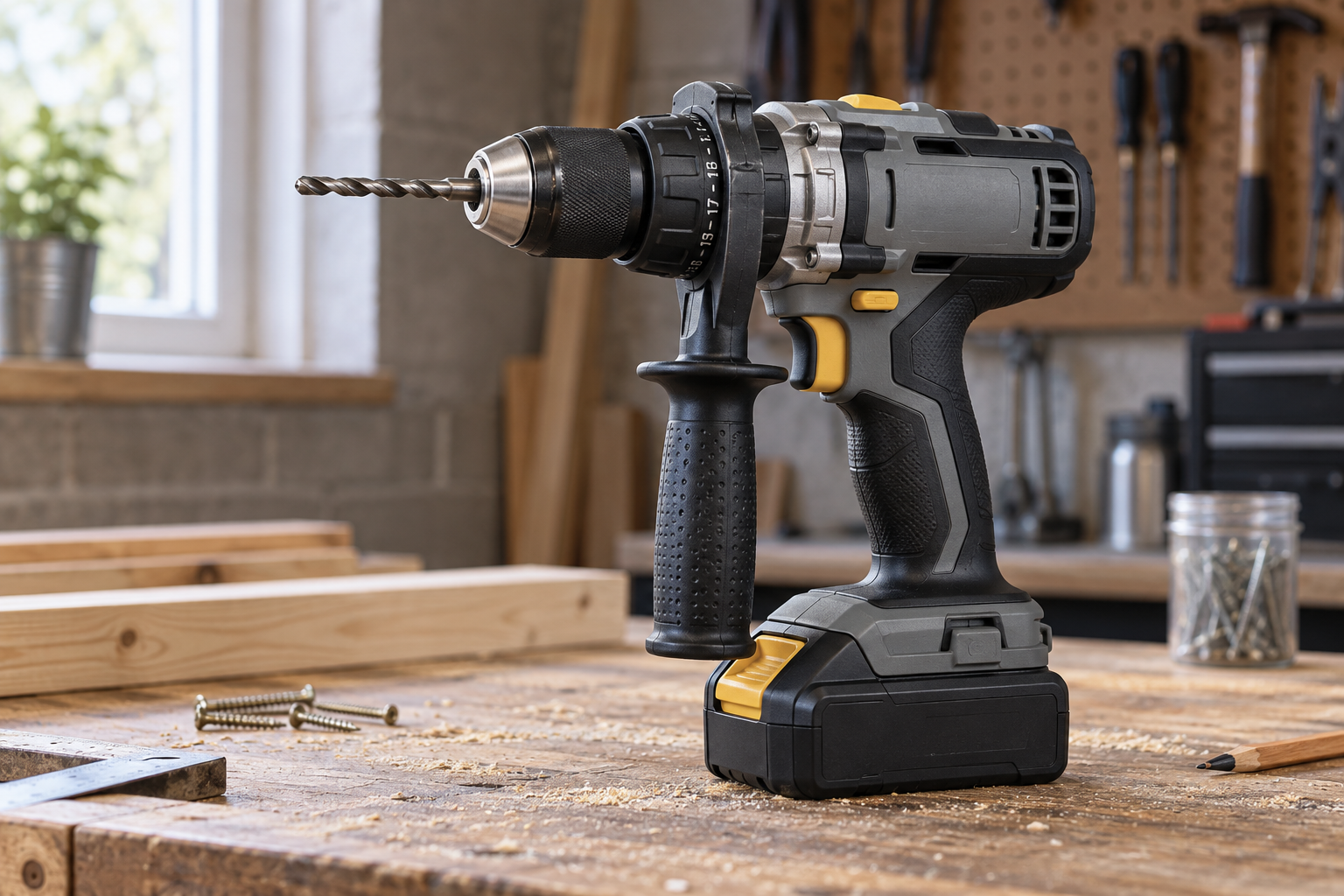
AI-generated editorial illustration of hammer drill

Makita XPH12 vs DeWalt DCD996 The Makita XPH12 and DeWalt DCD996 are heavy-duty cordless hammer drills aimed at drilling masonry, driving large screws, and general construction work. Both use a 1/2-inch chuck and can handle occasional concrete-anchor holes, but they are not interchangeable in feel or capability. The DeWalt is the more powerful drill on … Read more
Milwaukee 2804-20 vs Ridgid R86116: Which Brushless Drill Handles Large Hole Saws?

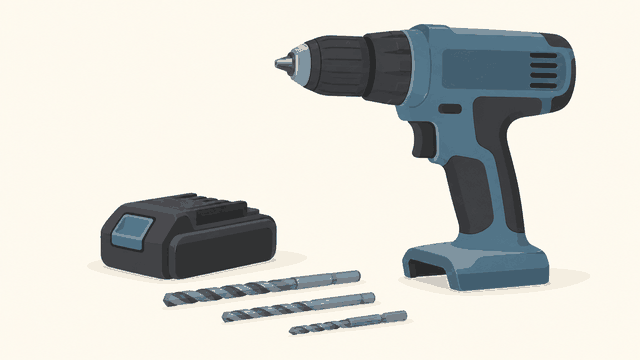
Editorial illustration: unbranded cordless drill beside a detached battery and drill bits.

Quick verdict The Milwaukee 2804-20 is the better choice for repeated large hole-saw work, especially in framing lumber and thick plywood. Its clutch, gearbox, side handle, and overall control make it easier to keep a 3- to 6-inch hole saw moving without twisting your wrist. The Ridgid R86116 is a credible cheaper alternative. It has … Read more

How to Replace a Track Saw Splinter Guard Accurately

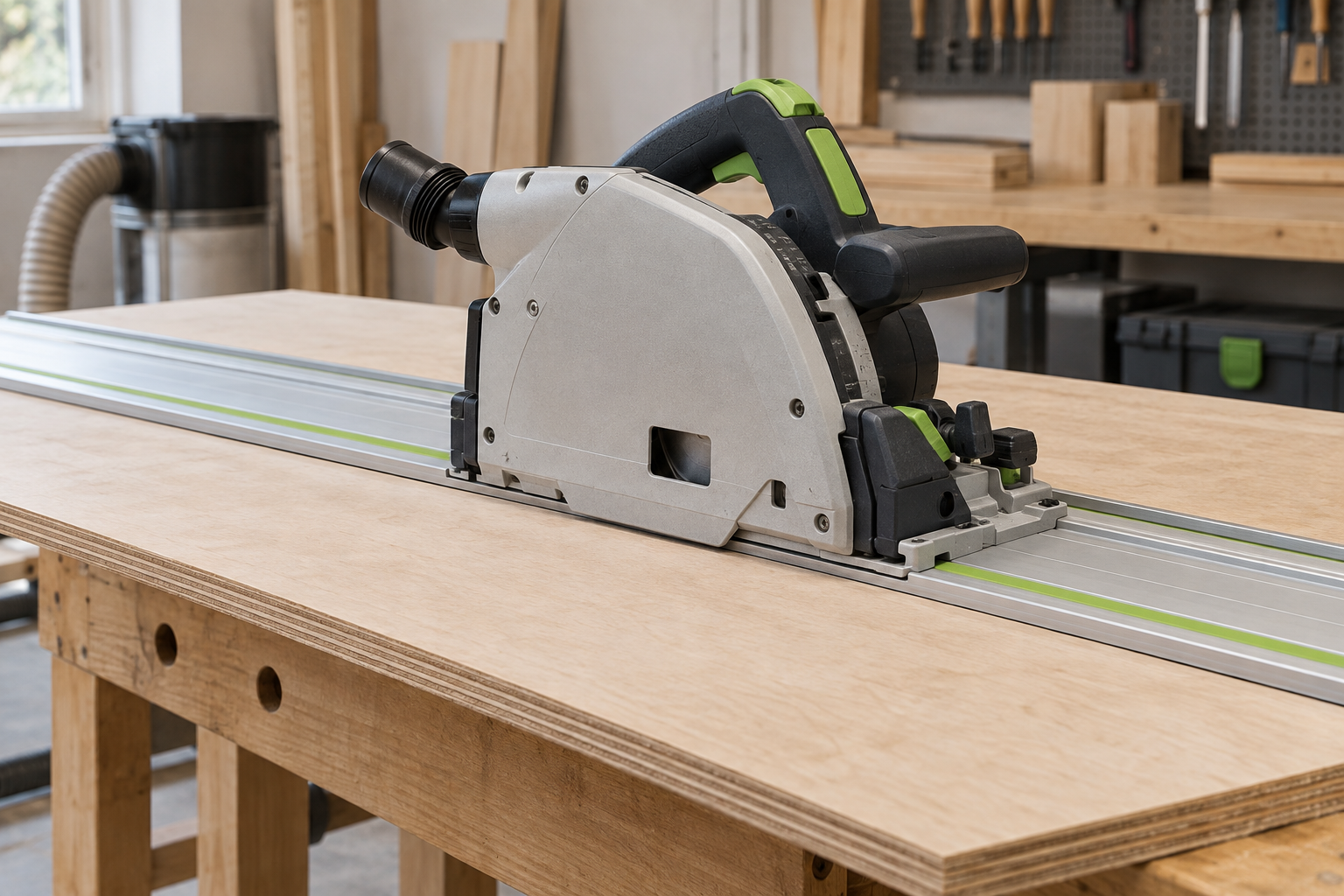
AI-generated editorial illustration of track saw

A track saw’s splinter guard is a sacrificial strip, not a permanent part of the track. It supports the edge of the workpiece as the blade exits, reducing tear-out on the waste side of the cut. After several cuts, the strip becomes worn, crushed, or too short to register accurately. Replacing it is straightforward, but … Read more

Milwaukee 2904-20 vs Makita XPH16: Comparing Heavy-Duty Hammer Drills

AI-generated editorial illustration of hammer drill

Milwaukee 2904-20 vs. Makita XPH16: The Short Version The Milwaukee 2904-20 and Makita XPH16 are heavy-duty 18-volt hammer drills built for large fasteners, masonry drilling, and demanding construction work. Both use brushless motors, two-speed gearboxes, 1/2-inch metal chucks, and auxiliary handles. Neither is a lightweight DIY drill. The Milwaukee has the edge in torque, compactness, … Read more

How to Join Track Saw Rails for Long Cabinet Cuts

AI-generated editorial illustration of track saw

Joining track saw rails looks simple: butt two tracks together, tighten the connectors, and start cutting. In practice, a small step at the joint can leave a visible kink, a stepped cut, or a rail that slowly walks out of alignment. That matters when cutting cabinet sides, tall panels, countertops, or several sheets of plywood … Read more