What's inside
- Quick comparison of the best 12V impact drivers
- Best overall: Milwaukee M12 Fuel 3453-20
- Best quiet option: Milwaukee M12 Fuel Surge
- Lightest and best value: DeWalt Xtreme 12V DCF801
- Best light duty: Makita 12V max CXT
- How to choose with numbers
- Worked example: what a 12V driver can sink
- Ownership realities
- Which 12V impact driver should you buy?
- Impact driver or drill: which does the job better?
- Bits and accessories that matter
- Mistakes to avoid
- Frequently Asked Questions
As an Amazon Associate I earn from qualifying purchases. This post may contain affiliate links at no extra cost to you.
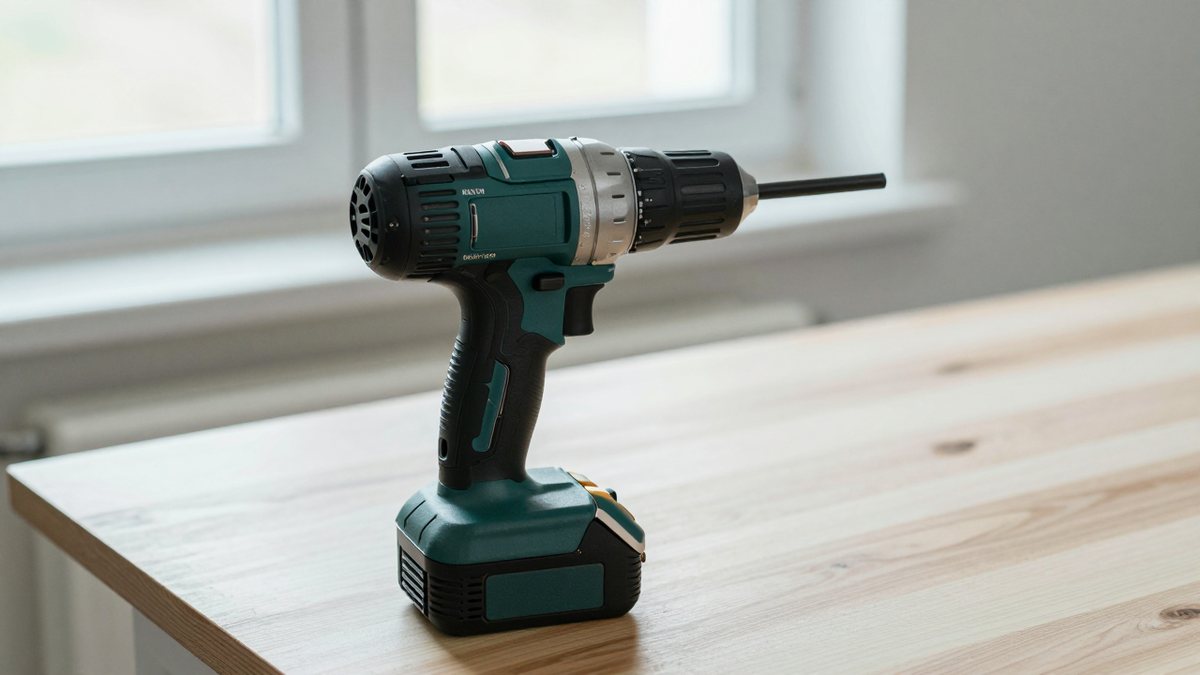
The best 12 volt impact driver for most people is the Milwaukee M12 Fuel 1/4 in. hex impact driver (3453-20), which reviewers describe as driving like a compact 18V tool, with a maker-rated 1,500 in-lbs of torque. The DeWalt Xtreme 12V DCF801 is the lighter, cheaper alternative at about 1,450 in-lbs, and the Makita 12V max CXT impact driver is the light-duty choice. All three accept standard 1/4 in. hex bits.
A 12V impact driver is built for places an 18V tool does not fit: inside cabinets, between joists, on ladders and in repetitive assembly where tool weight adds up by the end of the day.
As an Amazon Associate we earn from qualifying purchases at no extra cost to you.


Our Top Picks


Quick comparison of the best 12V impact drivers
| Pick | Best for | Key specs (per maker) | Price tier |
|---|---|---|---|
| Milwaukee M12 Fuel 3453-20 (Gen 3) | Best overall | About 1,500 in-lbs, up to 3,600 RPM, brushless | Mid-range to upper-mid |
| Milwaukee M12 Fuel Surge 2551-20 | Best quiet option | Hydraulic impact mechanism, quieter and lower vibration | Upper-mid |
| DeWalt Xtreme 12V DCF801 | Lightest, best value | About 1,450 in-lbs, about 2.25 lb with battery | Mid-range |
| Makita 12V max CXT impact driver | Best light duty | About 1,200 in-lbs, up to 3,000 RPM | Mid-range |
| Bosch 12V Max impact driver | Best compact alternative | Very short body, brushless on current models | Mid-range |
Torque and weight figures are from manufacturers and commonly cited reviews; exact numbers shift between model generations and kits, so check the current spec sheet.
Best overall: Milwaukee M12 Fuel 3453-20
This is the benchmark. The third-generation tool combines high torque with a short, balanced body, and it works with every battery in Milwaukee’s large M12 line. For driving 3 in. structural screws or lag screws into pre-drilled wood, it has the reserve most 12V tools lack.
Trade-off: it costs more than the others and has a three-LED light that some users find too bright. It is the one to buy if the impact driver is your main driving tool.
Best quiet option: Milwaukee M12 Fuel Surge
The Surge uses hydraulic oil instead of a metal hammer-and-anvil mechanism. According to Milwaukee, that cuts noise and vibration markedly, so it suits long sessions, enclosed spaces and noise-sensitive work. It is also gentler on small fasteners.
Trade-off: it costs more and is a little longer than the standard tool, with modestly lower peak output than the Fuel Gen 3.
Lightest and best value: DeWalt Xtreme 12V DCF801
The DCF801 weighs about 2.25 lb with a battery, which is notably light, and its slim grip is comfortable for smaller hands. At about 1,450 in-lbs on DeWalt’s spec sheet, it is ample for most trim, deck-hardware and cabinet work.
Trade-off: the grip may feel narrow in large hands, and DeWalt’s 12V range is smaller than Milwaukee’s.
Best light duty: Makita 12V max CXT
Makita’s compact driver is the pick for occasional users and as a secondary tool alongside an 18V kit. It is smooth and easy to control.
Trade-off: lower torque than the Milwaukee and DeWalt, so it is less suited to long screws in dense lumber.
How to choose with numbers
Torque
For cabinet screws and small hardware, 800 to 1,200 in-lbs is plenty. For 3 in. wood screws and lags, look for 1,400 in-lbs or more. Beyond that you move into 18V territory.
Speed and impacts per minute
Typical 12V drivers reach 3,000 to 3,600 RPM and 3,500 to 4,000 impacts per minute. Higher figures drive faster, but control matters more for small screws.
Length and weight
Most 12V drivers measure 4.5 to 5.5 in. from front to back. Lengths under 5 in. fit between studs and joists.
Speed modes
Multiple modes let you slow the driver for small screws and avoid snapping them or stripping the head. Milwaukee’s and DeWalt’s current models have them.
Worked example: what a 12V driver can sink
Take a 1,500 in-lbs driver and a 3 in. #10 deck screw. Driving into pre-drilled southern yellow pine needs roughly a quarter to a third of that torque at the final seating stage, so the tool has margin. The same tool driving a 1/2 in. lag screw needs far more than a 12V tool is rated for, and it will stall. That is the practical limit: fasteners up to about 3 in. and 1/4 in. diameter.
Ownership realities
- The anvil and bit-holding collet wear first; use impact-rated bits to protect them.
- Do not use a 12V tool to remove stuck lug nuts or large bolts; the motor and gearbox are not made for it.
- Battery packs are small and inexpensive, so keep a spare and rotate them.
- Impact tools are loud; use hearing protection for extended use.
Which 12V impact driver should you buy?
Pick the Milwaukee M12 Fuel for maximum power, the Surge if you hate noise, the DeWalt Xtreme if you want the lightest tool at a sensible price, and the Makita if you drive screws occasionally. If you own a 12V drill already, match the brand to share batteries.
Impact driver or drill: which does the job better?
An impact driver excels at driving fasteners, while a drill is better for holes. Impact action engages when resistance rises, which keeps torque on the screw without twisting your wrist. A drill driver has a clutch that stops at a set torque, which is better for small screws in soft materials such as drywall or thin plywood.
| Task | Better tool | Why |
|---|---|---|
| 3 in. deck screws | Impact driver | Torque without wrist strain |
| Pilot holes up to 3/8 in. | Drill driver | Chuck holds round shanks, steady speed |
| Cabinet hinges | Drill driver or low-speed impact | Clutch avoids overdriving |
| Long structural screws | Impact driver | Impacts prevent stalling |
Bits and accessories that matter
Impact-rated bits
Standard bits are brittle. Impact-rated bits have a torsion zone designed to flex, which extends their life with a 12V driver and prevents shattering.
Bit holders
A magnetic bit holder speeds up screw placement. A flexible shaft extension helps in tight spaces, but use it at lower speed.
Batteries
A compact 2.0Ah pack keeps the tool light, while a 4.0Ah pack suits longer sessions. Remember that bigger packs shift the tool’s balance forward.
Mistakes to avoid
- Buying 12V for a deck build; the work will take longer and tire the tool.
- Using a regular hex-shank drill bit in an impact driver without checking the shank and rating.
- Holding the trigger fully once the screw seats; this strips heads and can snap fasteners.
- Skipping pilot holes in hardwood, which cause splits and stalled screws.
Frequently Asked Questions
Is a 12V impact driver powerful enough?
For most home and cabinetry tasks, yes. Current 12V models reach about 1,400 to 1,500 in-lbs, enough for screws up to about 3 in. long into pre-drilled lumber.
Can a 12V impact driver replace a drill?
Not fully. It cannot hold large drill bits securely and has no clutch, so a drill is still best for holes and delicate fastening.
12V or 18V impact driver?
Choose 12V for weight, size and light work. Choose 18V for framing, decking and anything that needs lag screws or a lot of torque.
Do I need special bits?
Impact-rated bits are best. Standard bits can snap under impact loads, particularly in thin tips such as Phillips and Torx.
Are Milwaukee M12 batteries compatible with other brands?
No. Each brand has its own 12V pack design, so choose one platform.