What's inside
As an Amazon Associate I earn from qualifying purchases. This post may contain affiliate links at no extra cost to you.
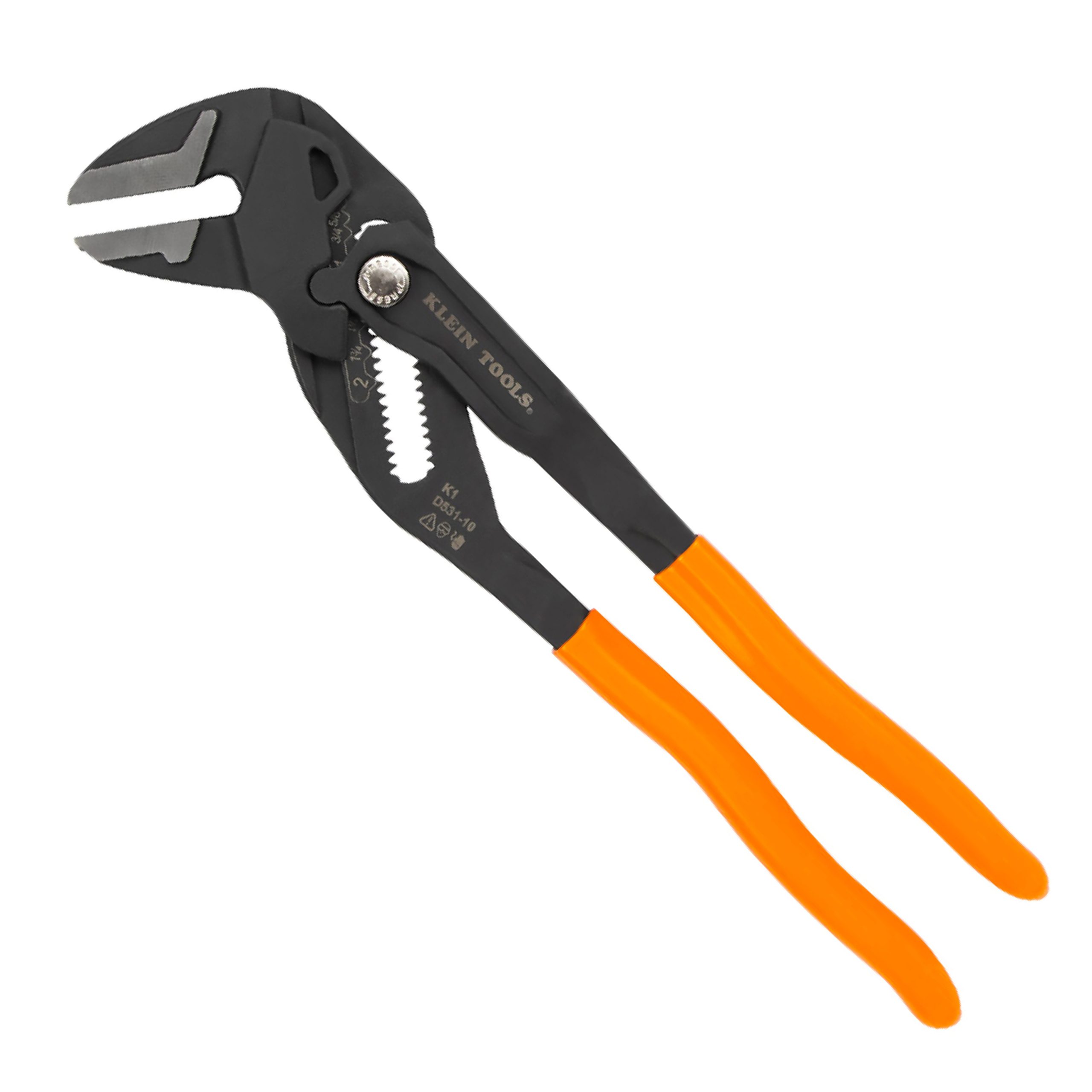
A pliers wrench is one of the safest hand tools for installing delicate plumbing fixtures because its smooth, parallel jaws grip without the teeth and bite marks left by ordinary tongue-and-groove pliers. The best choice is not simply the largest or most expensive wrench. Jaw width, adjustment range, handle clearance, and how precisely the tool moves all matter when you are tightening a chrome trap nut, faucet supply fitting, or plastic connector.
Why use a pliers wrench for delicate plumbing?
A pliers wrench combines the action of pliers with the flat jaws of an adjustable wrench. Squeezing the handles clamps the jaws onto a fitting, while the smooth faces spread force across the fastener. This is useful on polished brass, chrome-plated nuts, painted fittings, and plastic compression nuts that can be damaged by serrated jaws.
The jaws should remain parallel as you turn. That reduces the chance of rounding a thin nut or crushing a plastic part. You can also control the grip by squeezing lightly rather than relying on a fixed wrench size.
There are limits. A pliers wrench is not a pipe wrench, and it should not be used to grip round, smooth pipe when you need maximum holding power. It can also mar a soft finish if dirt is trapped between the jaws or if you apply excessive force. Put a clean cloth, thin leather, or purpose-made jaw covers between the tool and a highly visible finish.
What to look for before buying
Jaw capacity: For most bathroom and kitchen fixture work, a maximum opening around 1 1/4 to 2 inches covers supply fittings, faucet nuts, shower connections, and many trap components. Smaller tools are easier to maneuver under a sink, but a compact jaw may not reach a large slip nut.
Thin jaws: Thin, flat jaws fit between a nut and the nearby body of a faucet or valve. Thick jaws can prevent you from getting squarely onto the fastener, which encourages slipping.
Adjustment increments: A tool with many adjustment positions is easier to fit precisely. The closer the jaws match the nut, the less you need to squeeze and the less likely the fitting is to deform.
Handle clearance: Long handles create more leverage, but they are awkward in a cramped vanity cabinet. For delicate installation, a 7- to 10-inch tool is usually easier to control than a very large version.
Finish and comfort: Smooth, well-ground jaws matter more than a flashy coating. A nonslip handle is useful when your hands are wet, but bulky grips can make it harder to work around a drain body.
The best size for fixture installation
For a general-purpose plumbing kit, start with an 8-inch or 10-inch pliers wrench. An 8-inch tool is easier to position around faucet supply nuts and shutoff valves. A 10-inch tool offers more jaw capacity and leverage for larger drain fittings, while still fitting in most cabinets.
If you regularly install exposed bathroom hardware or work on narrow compression fittings, consider a compact 8-inch pliers wrench. For general repair work, a 10-inch pliers wrench is the more versatile single-tool choice.
| Size or type | Best use | Main advantage | Trade-off |
|---|---|---|---|
| 6 to 7 inches | Tight vanity cabinets and small fittings | Excellent control and access | Limited opening and leverage |
| 8 inches | Faucets, shutoff valves, supply connectors | Best balance of access and capacity | May not fit larger drain nuts |
| 10 inches | General plumbing and larger slip nuts | More capacity and turning force | Can be awkward around finished surfaces |
| 12 inches or larger | Large fittings and heavy repair work | High leverage and wide jaw opening | Easy to overtighten delicate parts |
Pliers wrench versus other plumbing tools
A traditional adjustable wrench is slimmer and often cheaper. It is a good choice when the fastener has clear, flat hex sides and you can select the exact size. Its weakness is that a loose adjustment can let the wrench slip, especially on thin nuts or when working upside down.
Tongue-and-groove pliers are inexpensive and useful for rough drain work, but their teeth can permanently mark chrome and plastic. They are fine for an old, hidden trap that will be replaced, not for a new decorative fitting.
A basin wrench is better for the large mounting nuts underneath many faucets. Its offset head reaches behind the basin where a pliers wrench may not fit. It is not a substitute for a pliers wrench because it is specialized and often difficult to use on exposed hex fittings.
If you already own a good adjustable wrench and only install a fixture occasionally, buying another tool may not be necessary. A pliers wrench becomes worthwhile when you work on finished fittings, encounter awkward angles, or want one tool that grips both hexagonal and irregular shapes without teeth. A quality smooth-jaw adjustable wrench is the cheaper option when access is good and the fitting is not easily damaged.
How to use a pliers wrench without damage
Shut off the water and clean the fitting before gripping it. Open the jaws wider than the nut, place them squarely on the flats, then adjust or squeeze until there is firm contact without crushing pressure. Keep the jaws parallel to the fitting; do not grab just one corner.
Turn the fitting by hand first whenever possible. For final tightening, use short movements and stop when the washer or seal seats. Many faucet and plastic drain connections need only hand-tightening plus about one-quarter turn. More torque is not automatically better: overtightening can split a plastic nut, distort a rubber washer, or crack a ceramic valve cartridge.
If the tool slips, stop and inspect the setup. Common causes include a jaw that is not square, a nut that is greasy, or a fitting too small for the tool’s current position. Repositioning is safer than squeezing harder. If the finish is visible, use protective jaw covers, but check that they do not make the tool sit crooked.
What I would buy
For most homeowners, an 8-inch or 10-inch pliers wrench with smooth parallel jaws is the right purchase. Choose 8 inches for cramped cabinets and delicate exposed hardware; choose 10 inches if you also want to handle larger drain and valve fittings. A compact set can be useful, but two sizes are unnecessary unless you do plumbing regularly.
Prioritize jaw alignment, adjustment range, and a slim head over maximum leverage. The cheaper tool is fine for occasional work if its jaws close evenly and the adjustment mechanism does not wobble. If you install fixtures often, spend more on a tool with precise movement and durable jaw surfaces. Those features reduce slipping—and the much more expensive mistake of damaging a new faucet or valve.