What's inside
As an Amazon Associate I earn from qualifying purchases. This post may contain affiliate links at no extra cost to you.
Our Top Picks


The short answer
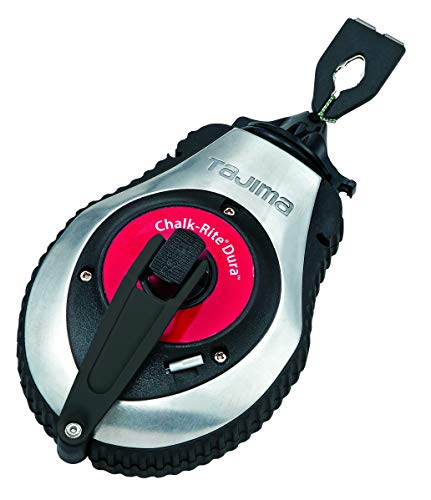
A chalk reel leaves a clean line when its string stays taut, carries enough chalk to mark consistently, and releases without dumping a cloud of powder. Both Tajima Chalk-Rite and Irwin Strait-Line reels can do that. The practical difference is that Tajima’s Chalk-Rite range is generally the better pick for frequent, precise layout, while Irwin Strait-Line is a sensible choice for occasional work and tighter budgets.
There isn’t one performance result for every reel in either family: capacities, gear ratios, case designs and string types vary by model. If you’re comparing two specific versions, check those details rather than assuming every Chalk-Rite or Strait-Line works the same way. For typical framing, drywall or deck layout, though, the fundamentals below are what matter most.
As an Amazon Associate we earn from qualifying purchases at no extra cost to you.


What makes a clean line?
A crisp snap starts with string that is properly loaded with chalk, not caked in it. Pull out the line, stretch it firmly between the marks, lift it slightly and release it once. A loose string can leave a wide, fuzzy mark; snapping repeatedly or lifting it too high can make the line heavier and scatter chalk. On a 12-foot layout, a little extra slack or a gust of wind can be enough to spoil a mark.
Chalk color matters, too. Blue is a practical general-purpose choice indoors and on surfaces where some residue is acceptable. Red and other stronger pigments can be harder to remove, so avoid them on finished flooring or light surfaces unless you know the mark will be covered. A better reel won’t make permanent chalk temporary.
Tajima Chalk-Rite vs. Irwin Strait-Line
| Factor | Tajima Chalk-Rite | Irwin Strait-Line |
|---|---|---|
| Best fit | Frequent layout and users who value consistent operation | Home projects, repairs and occasional layout |
| Line quality | Can be very consistent when the line is evenly chalked and tensioned | Good enough for common framing and general construction marks |
| Ease of use | Model-dependent; compare grip, crank and refill access in person | Model-dependent; basic versions cover straightforward needs |
| Trade-off | Higher-end options may cost more than an occasional user needs | Lower cost can mean fewer premium features or a less refined feel |
The Tajima advantage is most relevant when you snap lines often and want the reel to feel predictable over repeated use. That can mean less fuss winding in the line, keeping chalk where it belongs, or working through a full day of layout. But “cleaner” does not automatically mean a narrower mark on every surface. String condition, chalk type, how much chalk is in the case, and snapping technique have a big say.
Irwin is not a throwaway choice. If you’re marking a few cuts for a shed, setting a short wall, or doing occasional DIY work, a Strait-Line reel can produce a perfectly usable line. Paying extra for a premium reel makes little sense if it will be used twice a year and stored with chalk still inside.
Which one should you buy?
Choose a Tajima Chalk-Rite chalk reel if you lay out jobs regularly, care about a smooth working feel, or are replacing a reel that gets daily use. Compare the exact model’s line length, case construction, fill method and gear ratio; a familiar brand name doesn’t tell you those specifications.
Choose an Irwin Strait-Line chalk reel if price matters more and your work is occasional. For short runs and ordinary framing marks, a basic reel is usually enough. Put the money toward fresh chalk or a spare reel if you need different colors for different surfaces.
If you’re starting from scratch, a chalk reel and blue chalk bundle can be convenient, but check the chalk color and whether the reel is refillable. Don’t buy a large chalk bottle just because it is bundled: excess powder in the case can leak or make handling messier.
How to get a sharper mark
Use the same routine with either reel. First, clear loose dust from the surface; chalk stuck to sawdust makes a dirty, broken mark. Extend the string beyond both endpoints, hold it tight, and make one controlled snap. If you’re working alone, a nail or suitable pin at one end can hold the hook, but take care not to damage finished material.
Don’t overfill the reel. If the line comes out heavily coated and leaves a broad stripe, wind it out and back in a few times to remove excess. If the mark fades or skips, check for low chalk, dampness, frayed string or a dirty line opening before blaming the reel. Wet string and damp surfaces are common causes of poor transfer; extra snapping usually makes the mess worse rather than fixing it.
Keep the case closed when it’s not in use, especially in a tool bag. Chalk can spill through a loose fill cap, and fine powder gets into nearby tools. Before marking a visible surface, test the chalk on a scrap of the same material and brush it off. Some chalk is designed to stay put more stubbornly than others.
The verdict
For repeated professional layout, Tajima Chalk-Rite is the stronger bet if its handling and features justify the price for your work. For occasional jobs, Irwin Strait-Line is often the better-value buy and can leave a clean, readable line when it’s loaded and used correctly. The reel matters, but fresh line, suitable chalk and a taut single snap matter more than the badge on the case.