What's inside
- OtterBox cases compared at a glance
- Best overall: Defender Series XT
- Best for maximum protection: Defender Series
- Best slimmer rugged case: Commuter Series
- Best for style and everyday carry: Symmetry Series+
- Quick decision matrix
- Screen and camera protection: what the case does not solve
- Ownership realities: what wears first
- How to choose the right version
- Final verdict
As an Amazon Associate I earn from qualifying purchases. This post may contain affiliate links at no extra cost to you.
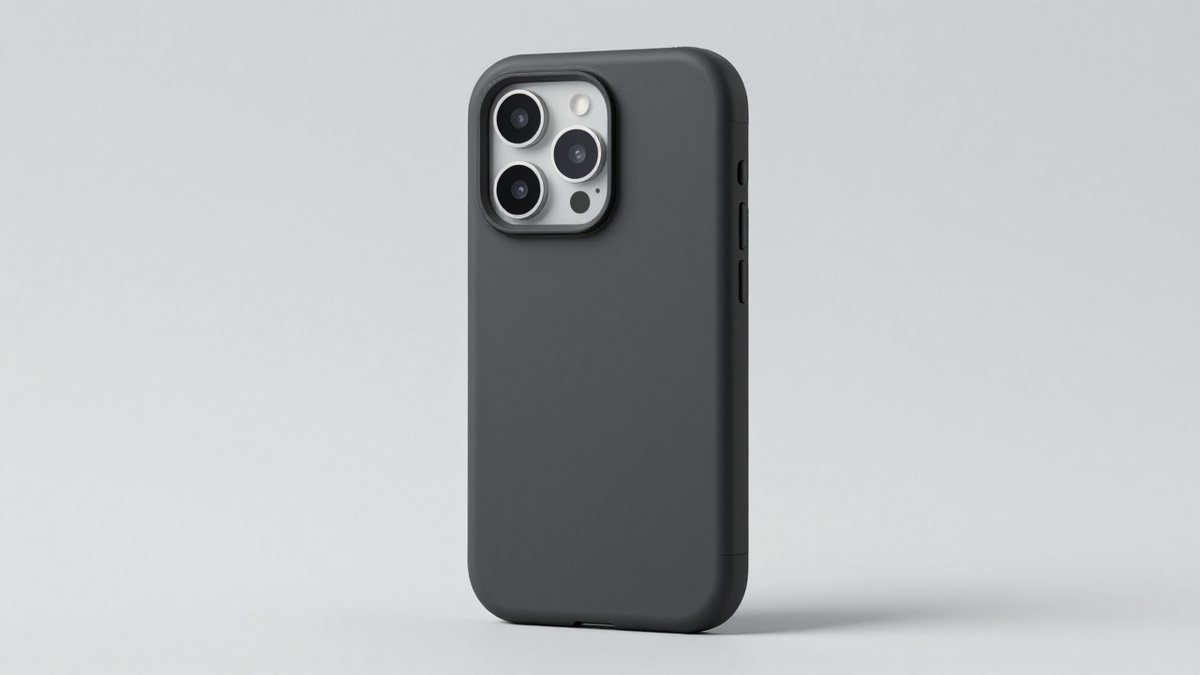
The best OtterBox case for everyday protection is the Defender Series XT if you want strong drop and port protection without the extreme bulk of the classic Defender Series; choose the Commuter Series for a slimmer, practical case, or Symmetry Series+ when style and easier pocket access matter more than maximum coverage.
As an Amazon Associate we earn from qualifying purchases at no extra cost to you.


Our Top Picks
 OtterBox iPhone 14 & iPhone 13 Commuter Series6.03" H x 0.55" L x 3.11" W7.06 x 4.31 x 0.75 inches0.1 PoundsCheck on Amazon
 OtterBox iPhone 18/17 Pro Commuter Series CaseiPhone 18 Pro, iPhone 17 Pro6.15 x 3.13 x 0.63 inches0.1 poundsCheck on Amazon


OtterBox cases compared at a glance
| OtterBox line | Protection position | MagSafe support | Port coverage | Grip and handling | Typical market range in 2026 |
|---|---|---|---|---|---|
| Defender Series | Maximum; multi-layer construction and port covers | Only on MagSafe-compatible versions | Full charging-port cover | Very secure, but bulky | $45–$75 |
| Defender Series XT | Very high; rugged protection in a more pocket-friendly format | Built-in magnets on compatible versions | Port cover on compatible versions | Textured edges and firm hold | $50–$80 |
| Commuter Series | High; dual-layer protection with less bulk | Available in MagSafe versions | Partial or model-dependent coverage | Good side grip and easier pocket access | $35–$60 |
| Symmetry Series+ | Moderate to high; slimmer protective shell | Available in MagSafe versions | Usually open for easier cable access | Smooth, pocket-friendly sides | $35–$65 |
| React Series | Basic everyday drop protection | Some versions support wireless charging, but not all include MagSafe magnets | Open port design | Light and easy to hold | $25–$45 |
Prices are broad market ranges rather than fixed prices. They vary by phone model, finish, MagSafe hardware, and whether a screen protector or accessory bundle is included. Compatibility is also model-specific, so confirm the exact phone generation before buying.
Best overall: Defender Series XT
The Defender Series XT is the most balanced choice for people who regularly drop their phone, work outdoors, or use magnetic charging and mounting accessories. Its raised edges help protect the display and camera lenses, while its rugged frame provides more impact protection than a slim single-layer case.
Compared with the traditional Defender Series, the XT design is easier to carry in a trouser pocket and less cumbersome in one hand. It still feels substantial, however. That extra material is useful if the phone is exposed to workshop dust, rough surfaces, vehicle interiors, or frequent falls.
Choose the MagSafe version if you use magnetic charging, a car mount, or a wallet attachment. Do not assume every Defender XT listing has the same magnetic system: some phone generations and older versions use different designs. Check for the explicit MagSafe marking for your phone model.
What it does better
- Strong protection without the full bulk of the classic Defender.
- Textured edges provide a more reliable grip than a smooth fashion case.
- Raised bezel helps keep the screen and cameras off flat surfaces.
- Port protection is useful around sawdust, dirt, and pocket debris.
- MagSafe versions work with a wider range of magnetic accessories.
Where it falls short
- It is still thicker and heavier than the Commuter or Symmetry lines.
- Port covers can be inconvenient when charging frequently with a cable.
- Built-in magnets do not make the case compatible with every magnetic accessory; alignment and accessory strength still matter.
Best for maximum protection: Defender Series
The classic Defender Series remains the better choice when protection takes priority over pocket comfort. Its layered construction typically combines a rigid inner shell, a flexible outer cover, and a belt clip or holster on some versions. The port cover helps block dust and debris, and the raised screen edge is useful when the phone is placed face down.
OtterBox markets many Defender models with a “4X DROP+” claim. This refers to the company’s drop-test comparison against a military standard, not a guarantee that a phone will survive every fall. A drop onto a sharp corner, a hard stone surface, or a damaged case can still break the phone.
The Defender is especially sensible for construction workers, tradespeople, hikers, parents of young children, and anyone who often carries a phone alongside keys or tools. For ordinary office and home use, its size may be more protection than you need.
Best slimmer rugged case: Commuter Series
The Commuter Series is the practical middle ground. It generally uses a flexible outer layer over a firmer inner structure, giving better impact protection than a thin basic case while remaining comfortable in a pocket. It is a strong choice for someone who drops a phone occasionally but does not need sealed ports or a belt holster.
Choose a Commuter with MagSafe when you use a magnetic car mount or charging pad. The non-MagSafe version can still support ordinary wireless charging on compatible phones, but it will not provide the same magnetic alignment or holding force.
The main compromise is access. Depending on the phone model and version, the charging port may be open or only partly shielded. That makes daily plugging in easier but provides less defense against dust than a Defender.
Best for style and everyday carry: Symmetry Series+
Symmetry Series+ is the better fit for users who want a case that looks less industrial. It is slimmer, comes in more colors and patterns, and slides into pockets more easily than the Defender family. Raised edges and a protective frame still provide useful everyday defense against desk-height and pocket-level drops.
Its smooth sides are convenient for pockets but offer less purchase than the heavily textured Defender and Commuter designs. If your phone frequently slips from your hand, choose a grippier finish or add a compatible finger loop or grip accessory.
Symmetry is a good choice when your priorities are appearance, MagSafe compatibility, and manageable size. It is not the first choice for exposed ports, heavy workshop use, or repeated high-impact drops.
Quick decision matrix
| Your situation | Best choice | Reason |
|---|---|---|
| Frequent drops or outdoor work | Defender Series XT | High impact protection, grip, raised edges, and available port coverage |
| Maximum protection and bulk is acceptable | Defender Series | Most comprehensive rugged design and optional holster |
| Moderate protection for daily commuting | Commuter Series | Good balance of structure, grip, and pocket comfort |
| Style, slimness, and magnetic accessories | Symmetry Series+ | Less bulky and available in many MagSafe-compatible designs |
| Lowest cost and minimal weight | React Series | Simple protection for careful users who dislike thick cases |
| Frequent dust or debris exposure | Defender Series | Port cover and layered construction offer the most coverage |
Screen and camera protection: what the case does not solve
Most OtterBox cases protect the screen indirectly through a raised bezel rather than through a built-in screen protector. That approach preserves touch sensitivity and makes cleaning easier, but it leaves the glass exposed to direct impacts in the center of the display.
For a worksite or outdoor phone, pair the case with a screen protector designed for the exact phone model. A protector should fit inside the case’s edge without lifting at the corners. Camera lens protectors require similar care: a poorly fitted protector can collect dust or affect image quality, especially around the flash.
A raised lip is helpful, but it is not a measurement of complete screen protection. A phone landing on a small stone can still crack the glass even when the case frame remains intact.
Ownership realities: what wears first
- Flexible outer edges: Repeated removal can stretch corners and make the case fit less tightly.
- Port covers: The hinge area usually experiences the most stress. Open the cover by its tab rather than pulling sideways.
- Finish and grip: Textured surfaces collect skin oil, dust, and workshop grime before the protective structure is affected.
- Holsters: Belt clips and swivels can loosen or crack after repeated impact, even when the case itself remains usable.
- Screen protectors: Edges may chip or lift first. Replace a damaged protector instead of relying on a cracked one.
Clean the case after removing the phone using lukewarm water and a small amount of mild soap. Use a soft cloth and let every part dry completely before reinstalling it. Avoid solvents, abrasive cleaners, metal brushes, and excessive heat. Dirt trapped between the case and phone can cause fine scratches over time.
How to choose the right version
- Identify the exact phone model and generation, including its screen size and camera layout.
- Decide whether you need MagSafe magnets or only ordinary wireless charging.
- Choose full port coverage if the phone is exposed to sawdust, soil, or heavy pocket debris.
- Check whether a screen protector is already fitted; leave enough bezel clearance to prevent lifting.
- Prioritize grip over appearance if you often use the phone one-handed or while moving.
- Compare the case thickness with your current pocket, car mount, and wireless charger before ordering.
Final verdict
For most people asking for the best OtterBox case, the Defender Series XT offers the strongest overall balance of drop protection, grip, port coverage, and MagSafe availability. Pick the classic Defender when maximum coverage matters more than comfort. Pick the Commuter for practical daily protection at a lower bulk level, Symmetry Series+ for a slimmer and more attractive carry, and React when low weight and price are the main priorities.