As an Amazon Associate I earn from qualifying purchases. This post may contain affiliate links at no extra cost to you.
Finding a capable laptop under five hundred dollars is one of the most common shopping problems in 2026, and one of the most frustrating. The market floods with near-identical listings that differ by a few dollars, a handful of RAM, or a processor brand nobody has heard of. A student, a parent buying a first machine, or a remote worker who needs a secondary device all face the same question: which of these sub-$500 options will actually last through daily tasks without crawling to a halt?
The gap between a good budget laptop and a bad one is surprisingly narrow on paper but wide in practice. Storage type (eMMC versus SSD), RAM capacity, and processor generation determine whether a machine feels usable after six months or becomes a source of constant irritation. Below, we compare published specifications, street prices, and recurring owner feedback across eight laptops that consistently surface in this price range.
As an Amazon Associate we earn from qualifying purchases at no extra cost to you. Product prices and availability are accurate as of the date shown and are subject to change.






Quick Picks
| Product | Best for | Price |
|---|---|---|
| Lenovo Essential 15.6″ | Balanced everyday use on a tight budget | $349.99 |
| AKCHART 15.6″ AI | More RAM and bundled Office on a budget | $329.99 |
| HP OmniBook 3 17.3″ | Screen real estate for spreadsheets and video | $459.99 |
| HP Everyday Slim | Maximum portability under $300 | |
| Amzboy 15.6″ | Lowest entry price with FHD display | $229.99 |
| Generic 15.6″ N4020 | Basic browsing and email at rock-bottom cost | $229.99 |
| HP Essential 2026 | Brand reliability with Office included | $319.98 |
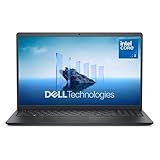
| Dell 15.6″ Core 3 | Newer Intel silicon within the budget ceiling | $453.99 |
How We Picked
We narrowed this list using four criteria: processor class (whether the chip can comfortably handle modern Windows and browser multitasking), RAM amount (8 GB is the practical floor for Windows 11 headroom), storage type and capacity (SSD over eMMC, and 256 GB or more reduces the need for external drives), and overall owner satisfaction based on recurring themes in published reviews. Every product here meets a minimum threshold on at least three of those four factors.
The 8 Best Laptops Under 500 in 2026
Lenovo Essential 15.6″ FHD Everyday Laptop
The Lenovo Essential targets buyers who want a recognizable brand and a familiar 15.6-inch FHD panel without paying a premium. Intel silicon inside keeps driver support straightforward, and the 128 GB storage is adequate for someone who lives in cloud services. Owners consistently praise its build quality relative to price and its keyboard feel for extended typing sessions. It is the sensible default for a parent buying a first laptop or a commuter who needs a dependable secondary device.
- Pro: Trusted brand with wide availability of replacement parts and documentation.
- Pro: FHD panel on a 15.6-inch frame gives comfortable text clarity for reading and documents.
- Con: 128 GB storage fills quickly with Windows updates and a few installed applications.
Skip this if you need more than basic productivity—photo editing, heavy multitasking, or local file storage will push you past what the configuration supports.
AKCHART 15.6″ AI Laptop with Office 365
With 12 GB RAM and a 256 GB SSD at $329.99, the AKCHART offers the most memory and storage per dollar in this group. The included Office 365 subscription removes a common add-on cost. Buyers who juggle dozens of browser tabs alongside Word and Excel will feel the difference the RAM headroom makes. For the price, the spec sheet is genuinely competitive with machines costing a hundred dollars more.
- Pro: 12 GB RAM provides meaningful multitasking headroom that competitors lack at this price.
- Pro: Office 365 bundle saves the buyer a separate annual subscription.
- Con: AKCHART is a lesser-known brand with thinner warranty and support networks.
Skip this if brand-name serviceability or long-term resale value matters more to you than raw specs on paper.
HP OmniBook 3 17.3″ Laptop PC
The only 17.3-inch machine on this list, the HP OmniBook 3 serves a specific audience: anyone who works in spreadsheets, watches a lot of video, or simply does not want to squint at a smaller panel. AMD Ryzen 3 30 with 8 GB RAM and a 512 GB SSD is a well-rounded configuration for everyday computing, and the Radeon 610M handles light graphics tasks. At $459.99 it sits near the ceiling of this category, but the storage alone justifies the jump.
- Pro: 512 GB SSD eliminates the need for external storage for most users.
- Pro: Large FHD display is a genuine productivity advantage for multi-window workflows.
- Con: 17.3-inch chassis makes this impractical for frequent travel or tight desk setups.
Skip this if portability is a priority—the size difference versus 15.6-inch options is noticeable in a backpack and on a small table.
HP New Everyday Slim Laptop, 2026 Edition
At $299.99, the HP Everyday Slim is the thinnest, lightest option here from a major OEM. The “Slim” designation is literal: this machine prioritizes portability and battery life over expandability. Four gigabytes of DDR5 RAM is the honest limitation—it will handle a browser and a document, but owners report slowdowns when multiple tabs and applications compete for memory simultaneously.
- Pro: Long battery life claim and slim profile make it the best travel candidate under $300.
- Pro: HP’s established support and parts network at a sub-$300 price point.
- Con: 4 GB RAM is below the comfortable floor for Windows 11 multitasking.
Skip this if you plan to keep more than a handful of applications open at once; the memory constraint is real.
Amzboy 15.6″ Laptop
Amzboy and the nearly identical generic listing below both represent the absolute floor of this market. An Intel N4020, 4 GB RAM, and 128 GB eMMC storage define the experience: basic web browsing, email, and document viewing. The FHD display is a welcome inclusion at $229.99, making it legible and pleasant for the tasks it can handle. Owners frequently describe it as a good starter machine for younger students or an elderly relative who only needs email and video calls.
- Pro: Lowest price with an FHD panel in this comparison.
- Pro: Windows 11 included means a familiar interface without extra licensing cost.
- Con: N4020 plus eMMC storage produces noticeable sluggishness under any moderate load.
Skip this for anyone who will use the machine daily for work; it will frustrate within weeks of heavier use.
15.6″ Laptop with Win 11, N4020 CPU, 4GB RAM
This listing is essentially a twin of the Amzboy above—same N4020, same 4 GB RAM, same 128 GB eMMC, same $229.99 price. The distinction for buyers is vendor: whichever marketplace listing has better current availability or a more favorable return policy. Specifications and owner feedback are nearly identical, so treat these as interchangeable and buy from whichever seller offers the better service terms.
- Pro: Identical specs to the Amzboy at the same price, giving buyers a second purchasing option.
- Pro: FHD 1080P display at this price is unusually generous.
- Con: Generic branding means firmware updates and long-term support are uncertain.
Skip this if you want peace of mind around driver updates and warranty service beyond the initial return window.
HP Essential Laptop 2026, Intel CPU, 128GB Storage
Positioned at $319.98, the HP Essential 2026 splits the difference between the HP Everyday Slim’s low price and the Lenovo’s brand familiarity. Intel CPU, Windows 11, and a bundled Office 365 subscription make it a turnkey productivity package. Storage is limited to 128 GB, which constrains offline media and large projects, but for cloud-first users the configuration is honest and functional.
- Pro: Office 365 inclusion at this price removes a recurring cost for students and home users.
- Pro: HP’s support infrastructure and driver availability are solid.
- Con: 128 GB storage combined with no stated RAM upgrade path limits long-term flexibility.
Skip this if you store large files locally or plan to keep the machine for more than three years without a storage workaround.
Dell 15.6″ Laptop, Intel Core 3 100U, 8 GB RAM
The Dell rounds out the list as the only option featuring an Intel Core 3 100U processor—a newer architecture that offers a real performance step up over the N4020 and older Intel chips here. Eight gigabytes of RAM keeps Windows 11 comfortable, and Dell’s service reputation is strong. At $453.99 it is among the priciest picks, but the processor generation justifies the premium for anyone who wants the machine to feel responsive well beyond the first year.
- Pro: Intel Core 3 100U is the most modern processor on this list, with better efficiency and sustained performance.
- Pro: 8 GB RAM is the recommended minimum for Windows 11 multitasking.
- Con: Storage capacity is not specified at a generous level, which at this price feels like an oversight.
Skip this if you need a large display or 512 GB+ storage without adding an external drive; look at the HP OmniBook 3 instead.
Buying Guide
RAM: The Single Biggest Differentiator
Windows 11 idles around 3-4 GB, leaving almost nothing for applications in a 4 GB machine. Eight gigabytes is the practical minimum for smooth browsing and office work; twelve or more gives genuine headroom. If two listings are the same price but differ by 4 GB versus 8 GB RAM, always choose the higher figure—RAM cannot be added later on most budget laptops.
Storage: SSD versus eMMC
eMMC storage, found in the $229.99 Amzboy and generic options, is significantly slower than an SSD. This shows up in boot times, application launches, and Windows Update duration. A 256 GB SSD (like the AKCHART offers) provides both speed and capacity. If you must accept 128 GB, plan on relying heavily on cloud storage and keeping installed applications to a minimum.
Processor Generation and Brand
Intel N-series chips (N4020) are designed for passive-cooling tablets and light machines; they handle basic tasks but throttle under sustained load. Core 3 100U and Ryzen 3 30 are a tier up in both burst performance and thermal efficiency. When specs are otherwise equal, a newer processor designation translates directly to how long the laptop stays usable before feeling slow.
Our Verdict
The AKCHART 15.6″ AI Laptop is the top pick for most buyers because 12 GB RAM and a 256 GB SSD at $329.99 offer the best real-world performance-per-dollar in this group. For the absolute budget floor, the HP Everyday Slim at $299.99 is the safest choice if you need a major-brand warranty and accept the 4 GB RAM ceiling. However, if you work in spreadsheets or video and never move the laptop from your desk, the HP OmniBook 3 at $459.99 wins outright thanks to its 17.3-inch screen and 512 GB storage.
FAQ
Is 128 GB storage enough in 2026?
Only if you live entirely in cloud services and avoid installing large applications. Windows 11 itself plus a few updates will consume a substantial share of that capacity, leaving very little room for documents, photos, or offline media. Aim for 256 GB or higher if you store anything locally.
Can a sub-$500 laptop handle video calls and streaming?
Yes. All machines on this list output video to their displays and support browser-based streaming without difficulty. Even the N4020-equipped options handle single-tab 1080p streaming fine; the limitation is multitasking, not media playback.
Should I worry about lesser-known brands like AKCHART or Amzboy?
Consider the warranty terms and return window before ordering, not after. These brands deliver competitive specs on paper but lack the service networks of Dell, HP, or Lenovo. If a component fails beyond the return period, replacement parts and firmware support may be harder to find.
Is it better to spend $450 on one of these or look for a used machine?
A new laptop under $500 with a current warranty is generally safer than a used unit of uncertain history. You gain a known return window, active driver support, and predictable battery health. The used market can offer more RAM for the same money, but the risk is entirely on the buyer.