Best Compact Router for Rounding Over Small Cabinet Parts

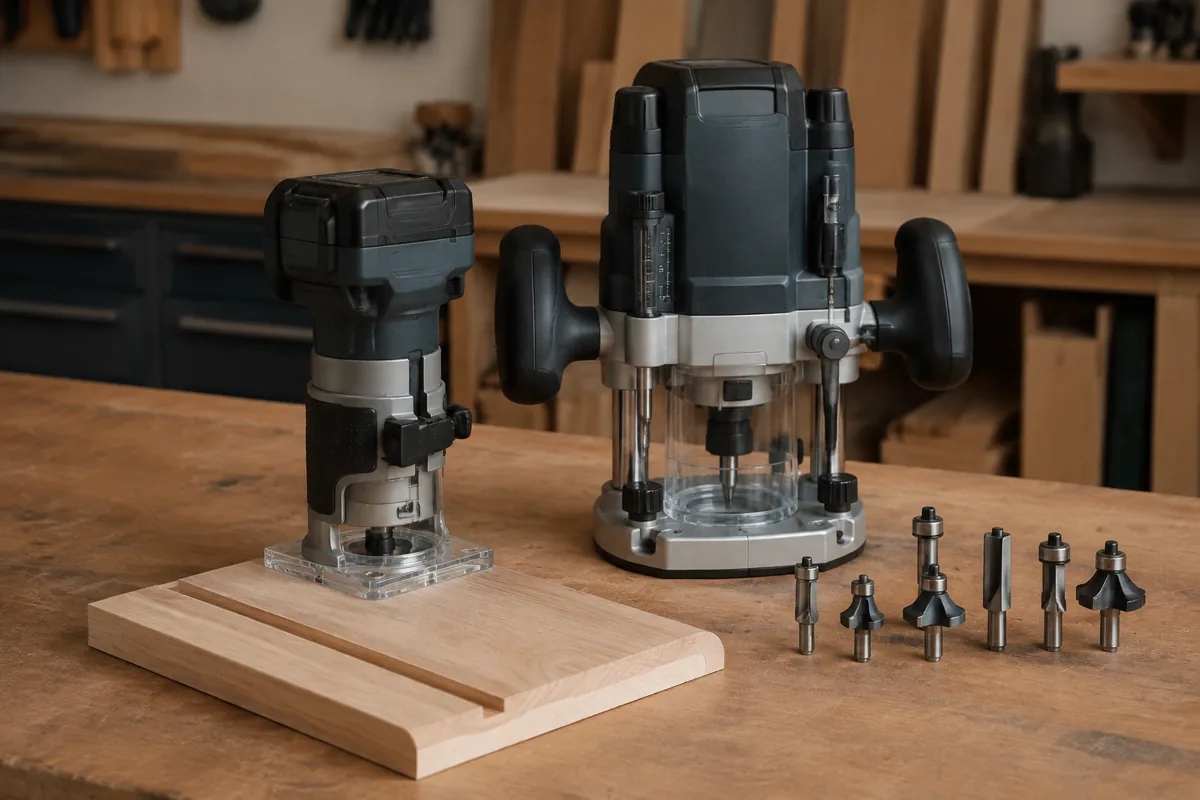
Editorial illustration: woodworking router with a small selection of router bits.

For rounding over small cabinet parts, a compact trim router is usually the right tool. It is lighter and easier to control than a full-size router, yet it has enough power for a 1/8-inch or 1/4-inch round-over bit in plywood, hardwood, and solid edging. The best choice depends less on maximum horsepower than on control, … Read more

Two-Flute vs Three-Flute Router Bit for Routing Aluminum

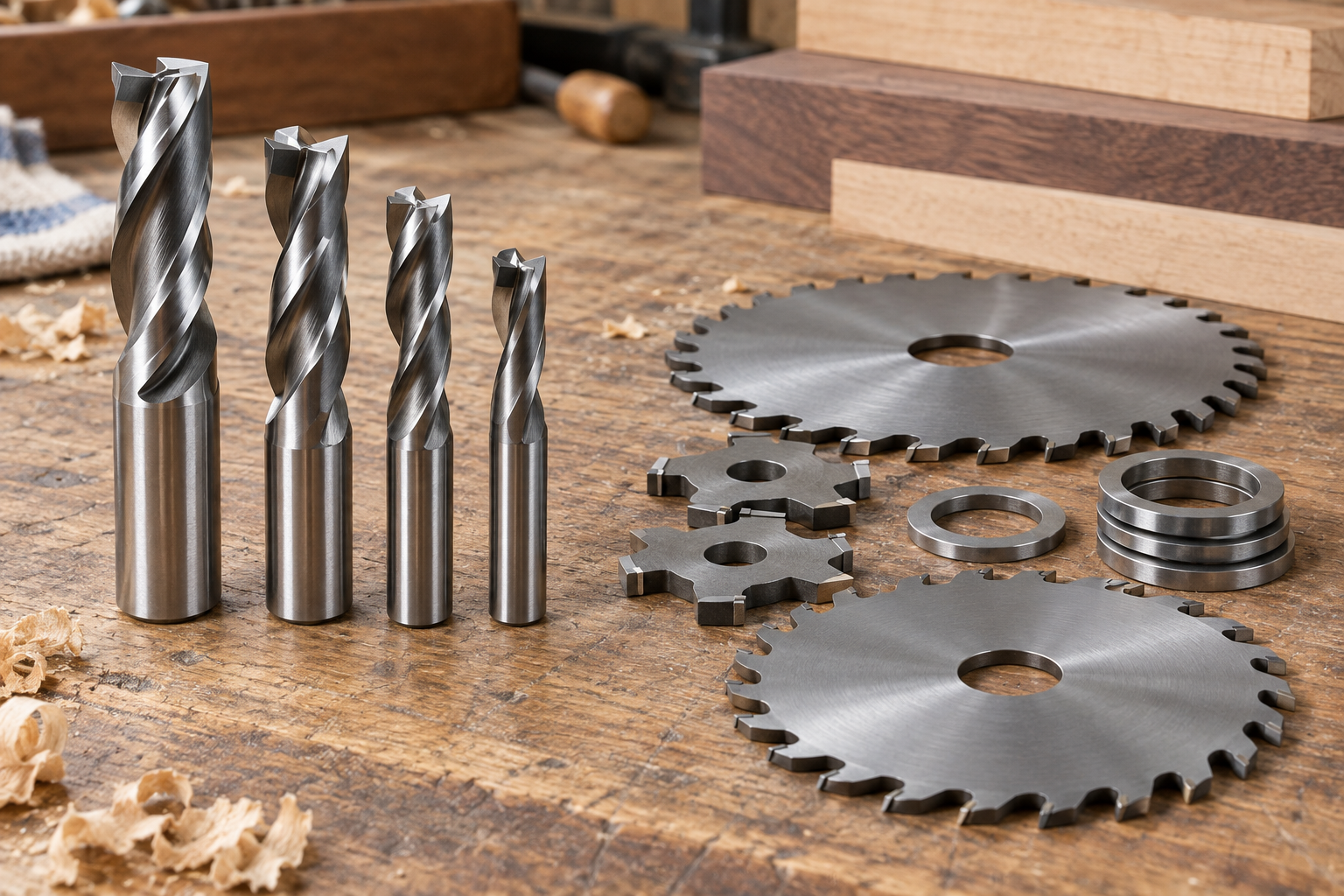
AI-generated editorial illustration of spiral router bits and dado stack

For routing aluminum, a two-flute bit is usually the safer starting point. It clears chips more easily, tolerates a slower feed rate, and is less likely to rub instead of cut. A three-flute bit can produce a smoother finish and remove material faster, but it needs a machine capable of maintaining the right feed and … Read more

How to Prevent Router Bit Burning in Dense Hardwood

Editorial illustration: woodworking router with a small selection of router bits.

Router bit burning in dense hardwood is usually a heat-management problem, not a lack-of-power problem. Burning leaves brown or black marks, softens the cut edge, and can turn a sharp bit dull in minutes. The usual causes are a dull cutter, excessive cutting depth, a slow feed rate, or a router running at the wrong … Read more

Fixed-Base vs Plunge Router for Cutting Deep Mortises

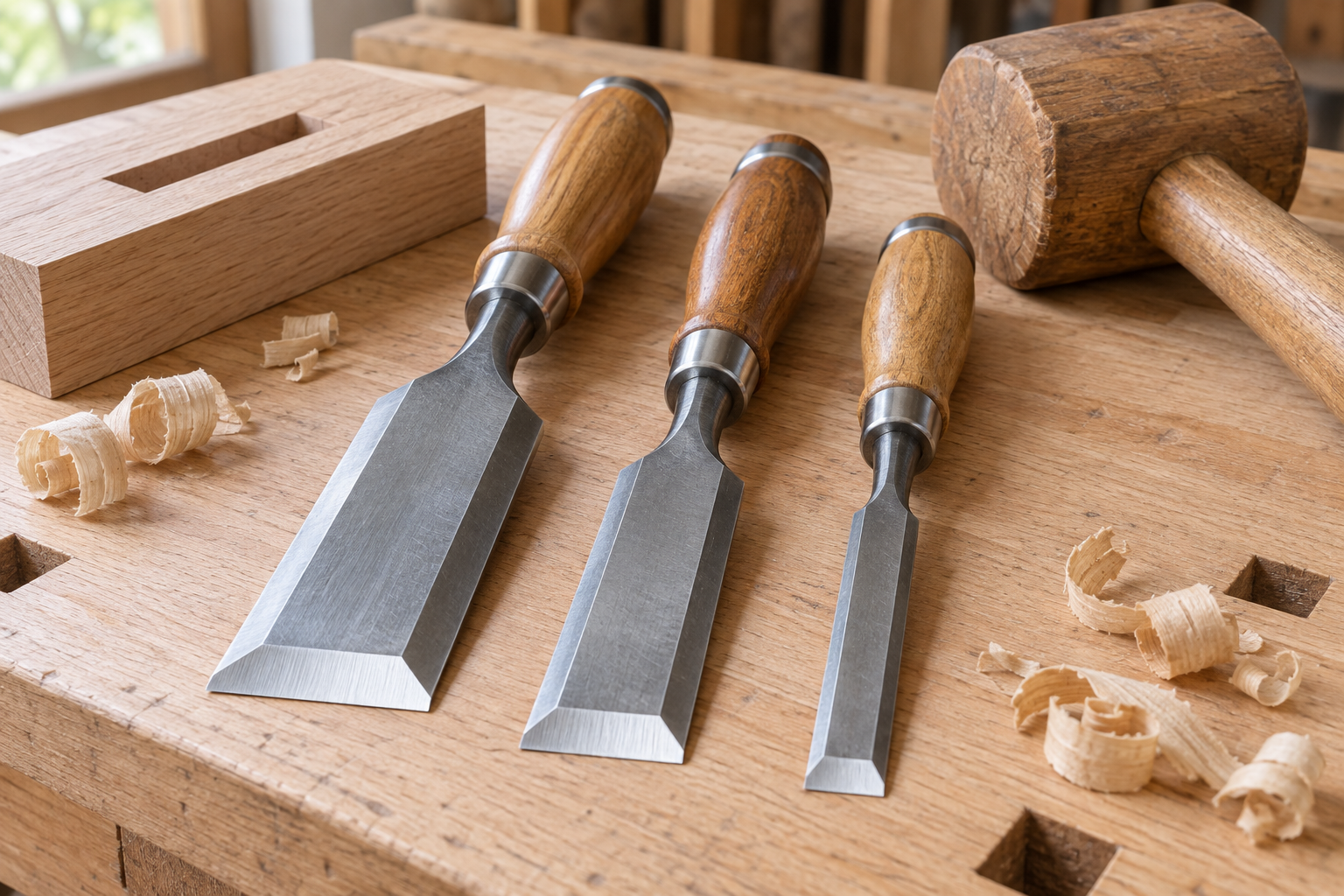
Editorial illustration: woodworking plunge router set down on a wood bench.

Cutting a deep mortise is one of the jobs where router-base design matters more than motor size. A fixed-base router can remove a lot of wood accurately, but it is awkward to start inside a workpiece. A plunge router starts cleanly and controls depth better, especially for stopped mortises. The right choice depends on how … Read more

Router Table vs Shaper for Making Cabinet Door Profiles

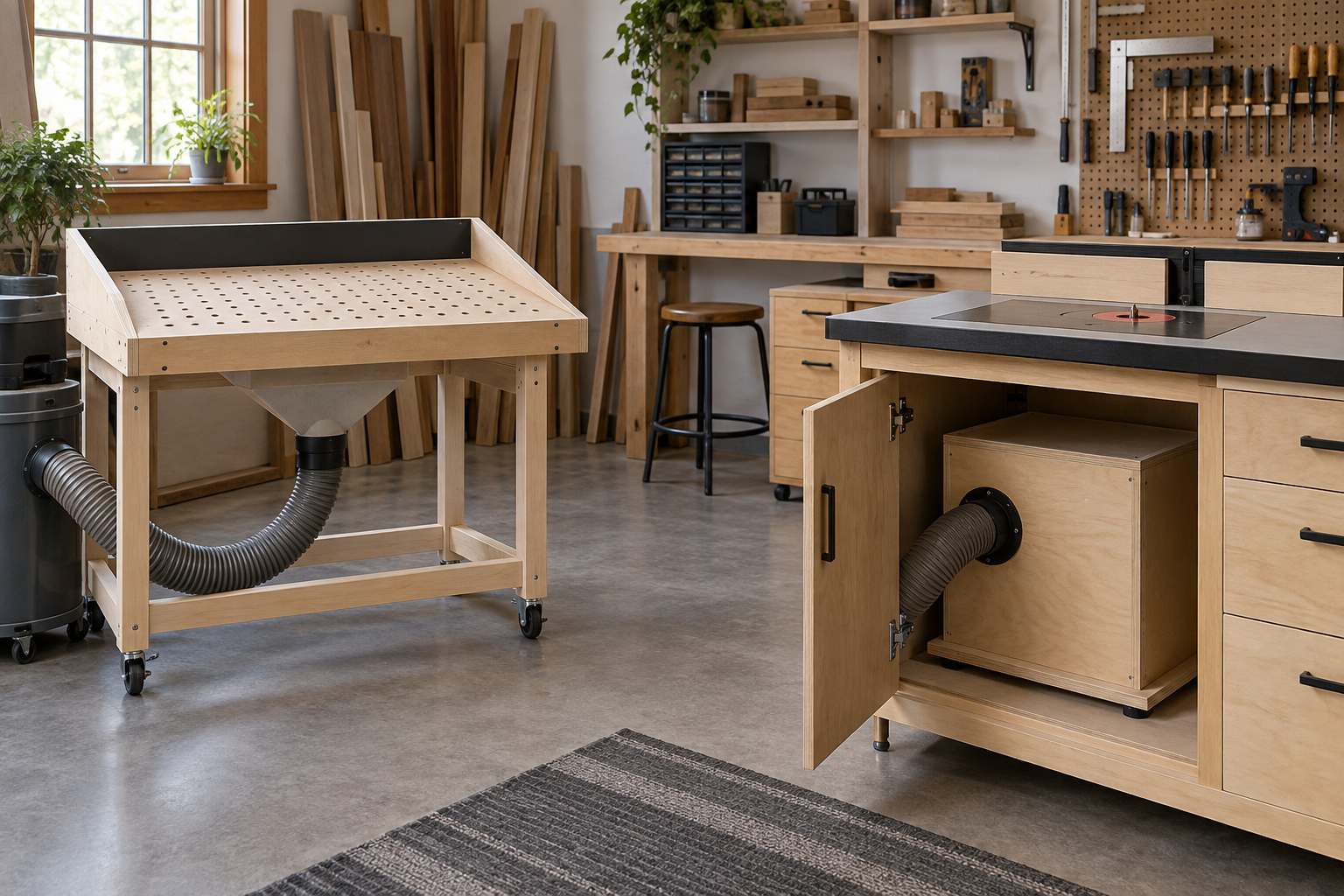
AI-generated editorial illustration of dust downdraft and router enclosure

For making cabinet door profiles, a router table is usually the better first purchase. It costs less, uses the same router many woodworkers already own, and handles the common jobs: raised panels, roundovers, ogees, rabbets, and cope-and-stick joinery. A shaper becomes worthwhile when you need production speed, large cutters, repeatable setup, or heavier work in … Read more

Best Router Bit for Cutting a Lock-Miter Joint in Hardwood

Editorial illustration: woodworking router with a small selection of router bits.

Best Router Bit for Cutting a Lock-Miter Joint in Hardwood The best router bit for a lock-miter joint in hardwood is a full-size, carbide-tipped lock-miter bit with a 1/2-inch shank. For most cabinet work, a bit in the 1-1/2-inch to 1-3/4-inch diameter range is the practical choice. It gives the joint enough bearing surface to … Read more

Order backlinks