As an Amazon Associate I earn from qualifying purchases. This post may contain affiliate links at no extra cost to you.
A gardener who has tried to snip a rose stem with a pair of kitchen scissors knows the frustration: the blades twist, the plant crushes instead of cuts, and your hand aches before you finish three stems. Garden scissors and their close cousins—pruning shears, snips, and hedge shears—solve a narrow but specific problem: making clean, decisive cuts on live plant material without damaging tissue or exhausting the user. The wrong pair feels like cutting through wet cardboard with a butter knife; the right pair disappears into the work.
What separates a good garden cutter from a mediocre one comes down to blade geometry, steel quality, spring action, and ergonomic fit. A bypass mechanism that slides one blade past another produces the cleanest wound, while anvil-style designs crush and bruise tender growth. Hardened stainless steel holds an edge through hundreds of cuts; soft steel needs sharpening every weekend. In the 2026 landscape of affordable hand tools, a handful of products consistently earn owner praise across these axes, and this roundup compares them on published specifications, listed prices, and aggregate feedback from people who have used them season after season.
As an Amazon Associate we earn from qualifying purchases at no extra cost to you. Product prices and availability are accurate as of the date shown and are subject to change.



Quick Picks
| Product | Best for | Price |
|---|---|---|
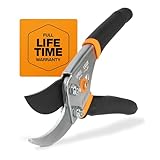
| Fiskars Bypass Pruning Shears | Everyday rose and stem pruning | $12.98 |
| Lengnoyp 4-Pack Garden Snips | Budget bulk and glove kit | $8.98 |
| Fiskars 7-in-1 Garden Scissors | Multi-tasking in tight beds | $14.99 |
| Fiskars Power-Lever Hedge Shears | Tall hedges without a ladder | $25.50 |
| 2-Pack Stainless Steel Scissors | Gift sets or backup pairs | $11.99 |
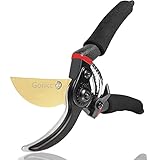
| gonicc Premium Bypass Titanium | Thick woody branches | $17.95 |
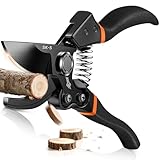
| DECERK Professional Pruning Shears | Heavy-duty limb cutting | $16.99 |
| Fiskars Micro-Tip Pruning Scissors | Seedlings and bonsai precision | $12.89 |
How We Picked
We narrowed this list by weighting four criteria that owners mention most often in reviews: cut capacity (the maximum branch thickness the tool handles without straining), blade material and edge retention, grip ergonomics including hand-size tolerance, and overall value measured by price relative to expected service life. Products that fail on more than two of these axes were excluded, even when they appear in bestseller lists. We also flagged tools whose feedback mentions frequent breakage of springs or locking latches, because those failures turn a budget buy into a repeated purchase.
The 8 Best Garden Scissors in 2026
Fiskars Bypass Pruning Shears, 5/8″ Cut Capacity
Fiskars has built a decades-long reputation in hand-cutting tools, and this model remains the default recommendation for gardeners who prune roses, perennials, and small branches up to five-eighths of an inch. The bypass blades glide cleanly without crushing stems, and the soft-grip handle accommodates most adult hand sizes without hot-spotting during long sessions.
- Pro: Steel blades hold sharpness well and resist rust with minimal oiling.
- Pro: The locking latch stays secure in a hip holster without accidental release.
- Con: Users with smaller hands report the grip feels slightly wide, requiring more squeeze force.
Skip this one if you regularly cut branches thicker than a pencil; the 5/8-inch ceiling will leave you grinding through material instead of snipping it.
Lengnoyp 4 Pack Garden Shears with Gardening Gloves
At under nine dollars for four pairs of stainless-steel snips plus a set of gloves, this bundle targets gardeners who want spares scattered across sheds, decks, and tool bags. The cutters handle light deadheading, herb trimming, and soft-stem work without complaint.
- Pro: The per-unit cost is among the lowest in the category, making loss or breakage painless.
- Pro: The included gloves add immediate utility for first-time gardeners assembling a kit.
- Con: Blade hardness is modest; edge retention drops noticeably after a single season of regular use.
Skip this set if your primary work involves anything thicker than a green bean; the snips will bend before they cut and the gloves may not match your size expectations.
Fiskars 9″ 7-in-1 Heavy-Duty Garden Scissors Multi-Tool
This compact tool packs seven functions—including pruning, wire cutting, and twine slicing—into a nine-inch scissor body with a belt sheath. It appeals to gardeners who dislike carrying multiple tools into the yard.
- Pro: The multi-function head reduces the number of separate snips you need in a pocket.
- Pro: Stainless-steel construction resists corrosion from sap and morning dew.
- Con: No single function matches the performance of a dedicated tool; wire-cutting slots chip with thick gauge wire.
Skip this if you regularly cut branches beyond thin twigs or need precise bonsai work; the jack-of-all-trades geometry compromises the specialized blades you would get from a focused cutter.
Fiskars 25″-33″ Power-Lever Extendable Hedge Shears
For homeowners who fight overgrown hedges or trim fruit trees without a ladder, these extendable shears add reach through a telescoping shaft while the power-lever mechanism multiplies hand force at the blade. The ten-inch blade clears long sections in a single sweep.
- Pro: The lever-assist design reduces arm fatigue dramatically compared to fixed-length hedge shears.
- Pro: Telescoping length lets one person handle tasks that otherwise need a step stool.
- Con: The extended reach makes fine detail work near the trunk difficult and slightly wobbly at full length.
Skip this tool if your trimming needs stay under four feet in height and under half-inch twig thickness; you are paying for reach you will never use.
2-Pack Stainless Steel Gardening Scissors, Pruning Shears and Clippers
This twin-pack offers two identical bypass snips for gardeners who want a backup in the shed or a gift for a neighbor starting their first vegetable plot. The stainless heads handle general soft-to-medium stem work.
- Pro: Buying two at once costs less per unit than a single-purchase equivalent, reducing long-term replacement spend.
- Pro: Simple bypass mechanism is easy to clean with rubbing alcohol between plants to prevent disease spread.
- Con: The spring on one unit in some reported batches arrived slightly loose, affecting return snap.
Skip this if you need a tool for thick woody pruning or if you already own a reliable pair; the incremental utility of a second identical snip may not justify the bench space.
gonicc 8″ Professional Premium Bypass Titanium Pruning Shears (GPPS-1003)
Titanium-coated blades give this gonicc model an edge-hardness advantage that translates into fewer sharpening sessions per season. The eight-inch body suits larger hands and the bypass design handles branches up to three-quarters of an inch, placing it a notch above the Fiskars in raw capacity.
- Pro: Titanium coating resists sap adhesion and reduces friction during prolonged cutting sessions.
- Pro: The grip cushion is shaped to distribute pressure across the palm, reducing blisters on repetitive snips.
- Con: At nearly eighteen dollars, it costs a premium over basic bypass shears without a matching premium in brand support or warranty visibility.
Skip this if your garden consists mostly of herbs, flowers, and sub-half-inch stems; the extra capacity and coating go underutilized at that scale.
DECERK 8.5″ Professional Pruning Shears
DECERK positions this as a budget answer to professional-grade capacity, claiming clean cuts on branches up to three-quarters of an inch. The slightly longer blade and reinforced pivot give it a feel closer to commercial arborist tools than its price suggests.
- Pro: Handles thicker limbs than most shears in the same price bracket, reducing the need for a separate lopper.
- Pro: The non-slip handle tolerates wet and sweaty conditions without requiring gloves.
- Con: Spare parts availability is limited compared to established brands, making a broken spring a likely end-of-life event.
Skip this if you want long-term brand reliability and easy access to replacement springs or blades; DECERK’s supply chain is thinner.
Fiskars 6″ Steel Micro-Tip Pruning Scissors
These snips are the scalpel of the garden: a six-inch body with a fine, pointed tip that slips into dense foliage to make surgical cuts on seedlings, succulents, and bonsai without disturbing neighboring growth. They are not pruning shears in the traditional sense.
- Pro: The micro-tip reaches where standard bypass blades cannot, excelling in propagation trays and terrariums.
- Pro: Lightweight enough for hours of detail work without hand fatigue.
- Con: The thin blades will bend or chip if you attempt to cut anything resembling woody material.
Skip this if your task list centers on deadheading roses or trimming shrubs; you need a wider, sturdier bypass for that work.
Buying Guide
Blade Type and Cut Capacity
Bypass blades cut like scissors, sliding past each other to leave a clean wound that heals quickly on the plant. Anvil blades press a straight edge against a flat surface, which crushes tender tissue but requires less hand force on dead wood. For live plants—roses, perennials, fruit trees—choose bypass. Cut capacity, typically stated as a fraction of an inch, marks the practical ceiling; a tool rated at five-eighths will struggle beyond that regardless of how hard you squeeze.
Steel, Coatings, and Edge Retention
Stainless steel resists rust but is softer than high-carbon variants, so it dulls faster under heavy use. Titanium or chrome coatings add surface hardness and reduce sap adhesion, extending time between sharpenings. For most home gardeners, stainless with a quality coating strikes the right balance. If you prune daily through an entire season, invest in a tool whose blade you can sharpen with a flat file rather than replace.
Hand Fit and Fatigue Management
A shear that does not match your hand size forces you to over-grip, creating blisters and forearm strain that accumulate over a weekend project. Look for contoured grips with cushioned zones where your palm rests, and check whether the spring tension feels natural when you squeeze with a dry hand. If possible, handle the tool in a store before committing, or verify a seller’s return window so you can test it against your own grip.
Our Verdict
The top pick is the Fiskars Bypass Pruning Shears at $12.98. It balances cut capacity, edge quality, ergonomic comfort, and brand longevity in a way that suits the widest range of home-garden tasks. For a budget pick, the Lengnoyp 4-Pack at $8.98 delivers four usable snips and gloves for less than a single Fiskars, ideal for casual gardeners who lose tools regularly. However, if your pruning involves branches approaching three-quarters of an inch, the gonicc Titanium Pruning Shears win on pure capacity and coating durability despite the higher price.
FAQ
What is the difference between garden scissors and pruning shears?
Garden scissors and pruning shears are often used interchangeably, but scissors typically refer to smaller, lighter tools for soft stems and detail work, while pruning shears describe bypass or anvil mechanisms built to handle thicker woody growth up to three-quarters of an inch.
How often should I sharpen garden scissors?
A quality stainless blade used weekly during the growing season benefits from a light file pass every four to six weeks. If you notice crushing rather than slicing on green stems, that is the signal to sharpen before damage to your plants worsens.
Can I use garden scissors to cut wire or packaging?
Most garden scissors will nick, chip, or bend if used on metal wire, plastic straps, or thick cardboard. Reserve a dedicated pair of snips or wire cutters for those tasks to protect the precision edge you rely on for plant cuts.
Are titanium-coated blades actually better than plain steel?
Titanium coatings increase surface hardness and reduce friction, which means the blade stays sharper longer and releases sap more easily. They are not a different base metal underneath, so they will still dull eventually and can be re-sharpened with the same technique as plain steel.