What's inside
As an Amazon Associate I earn from qualifying purchases. This post may contain affiliate links at no extra cost to you.
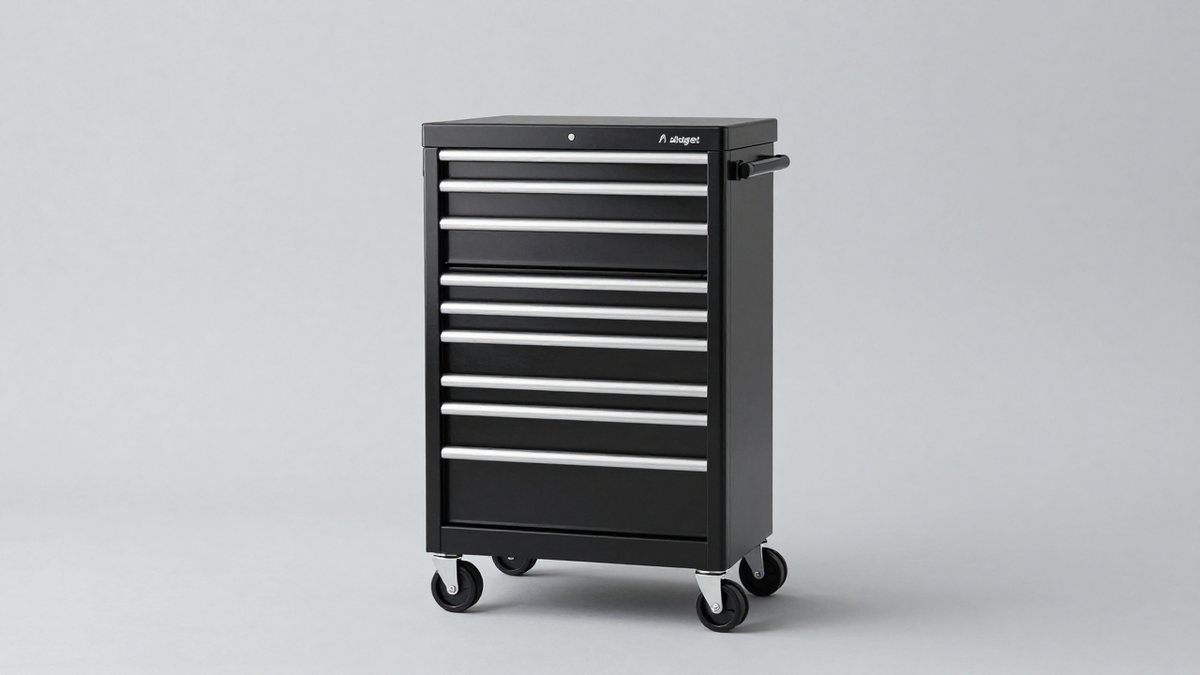
The best budget rolling tool cabinet for most home workshops is a mid-size steel cabinet with full-extension drawers, 5-inch casters, and roughly 20,000–25,000 cubic inches of storage—not the cheapest cabinet with the largest drawer count.
For a practical balance of price and capability, start with the U.S. General Series 2 42-inch roll cabinet, compare it with the Husky 46-inch Heavy-Duty 9-Drawer cabinet when smoother drawers and more width matter, and consider the Craftsman 2000 Series 41-inch cabinet when it is discounted. These cabinets are affordable enough for a serious home garage but substantial enough to avoid the flex and poor caster performance common in entry-level carts.
As an Amazon Associate we earn from qualifying purchases at no extra cost to you.



Our Top Picks
 Yizosh Metal Garage Storage Cabinet with Locking Doors19.69"D x 43.31"W x 71"H19.6 x 43.3 x 70.8 inchesCheck on Amazon

Best budget rolling tool cabinets by situation
| Situation | Best choice | Why it fits | Typical market range |
|---|---|---|---|
| Lowest sensible cost | U.S. General Series 2, 42-inch | Strong value, useful drawer layout, widely available accessories | $500–$750 |
| Frequent DIY or vehicle work | Husky 46-inch Heavy-Duty, 9-drawer | Large drawers, good working height, robust casters on many versions | $700–$1,000 |
| Occasional household repairs | Craftsman 2000 Series, approximately 41-inch | Reasonable capacity without paying for professional-shop extras | $450–$750 |
| Very limited floor space | 30- to 36-inch, 5- to 7-drawer cabinet | Narrower footprint and easier maneuvering around a car | $250–$550 |
| Heavy power tools and bulky equipment | 46- to 52-inch cabinet with a reinforced bottom drawer | Better drawer width and load distribution | $700–$1,200 |
Prices vary with promotions, finish, drawer configuration, and whether a top chest is included. Treat these as broad 2026 market ranges rather than fixed prices.
Head-to-head comparison
| Cabinet type or model family | Approx. width | Typical drawer count | Drawer depth | Casters | Best use |
|---|---|---|---|---|---|
| U.S. General Series 2, 42-inch | 42 in. | 8 | About 20 in. | 5 in., locking swivel design | General home garage and automotive work |
| Husky Heavy-Duty, 46-inch | 46 in. | 9 | About 20 in. | 5 in. or larger, version-dependent | Frequent use and heavier tool collections |
| Craftsman 2000 Series, 41-inch | 41 in. | 8 | Approximately 18–20 in. | 5 in. typical | Mixed household, woodworking, and automotive tools |
| Compact entry-level cabinet | 30–36 in. | 5–7 | About 16–18 in. | 3–5 in. | Small workshops and occasional repairs |
Exact dimensions and load ratings differ between revisions, so check the manufacturer’s current specification sheet before purchase. The useful comparison is not simply the number of drawers: a cabinet with fewer, deeper drawers can hold sockets, drills, clamps, and boxed accessories more effectively than one filled with shallow trays.
What makes a budget cabinet worth buying?
Steel thickness and structural stiffness
Budget cabinets commonly use thinner steel than premium professional boxes. That is acceptable if the cabinet has folded edges, reinforced drawer openings, a welded or well-braced frame, and a bottom section that does not twist when rolled. A cabinet that visibly flexes when you open two drawers is a poor long-term value, even if its advertised storage volume is impressive.
Look for steel around 18 to 21 gauge in the main panels, with heavier reinforcement in the frame, drawer fronts, rails, and caster mounts. Gauge numbers can be confusing because a lower gauge means thicker steel. Do not compare gauge alone; inspect the construction and published total capacity.
Drawer slides matter more than decorative features
Full-extension ball-bearing slides are the minimum sensible choice for a rolling tool cabinet. They allow the back of a drawer to be reached without removing the front rows of tools. A drawer should open smoothly when lightly loaded and remain reasonably aligned when loaded with sockets or ratchets.
Useful budget features include a full-width pull, positive drawer latches, a lock that secures every drawer, and liners that stop tools from sliding. A built-in power strip, USB ports, polished trim, or a matching top chest is less important than straight slides and a rigid drawer box.
Casters determine whether the cabinet is actually mobile
Five-inch casters are a useful target for a garage cabinet. Larger wheels roll more easily over expansion joints and small debris, while locking swivel casters help the box stay put during wrenching. Check that the caster plates are reinforced and that the brakes lock both wheel rotation and swivel movement, if possible.
Do not assume a high weight rating makes a cabinet safe to move fully loaded. A loaded cabinet can weigh several hundred pounds, and uneven flooring can make it unstable. Move it slowly, keep drawers closed, and avoid pushing from a thin side panel.
Storage size: choose by tools, not exterior width
A 42-inch cabinet does not provide 42 inches of usable drawer width. Frame rails, side walls, slides, and corner clearances reduce the interior space. Before buying, measure your longest tools and largest organizers. A 1/2-inch-drive breaker bar may require a deep bottom drawer, while a router, impact wrench, or large clamp may need height rather than width.
A useful sizing rule is to reserve about 25 percent of the cabinet for future tools. If your current collection fills 15,000 cubic inches, choose a cabinet offering approximately:
15,000 ÷ 0.75 = 20,000 cubic inches of usable storage.
This prevents the common mistake of buying a cabinet that is full on the day it arrives. Published capacity is usually an overall figure, so treat it as a comparison tool rather than a promise of exact drawer space.
Where each pick makes sense
U.S. General Series 2, 42-inch: best value for a growing collection
The U.S. General Series 2 42-inch cabinet is a strong choice when price, drawer utility, and accessory availability matter more than premium fit and finish. Its mid-size footprint works in many single-car garages, and the combination of deeper lower drawers and shallower upper drawers suits sockets, hand tools, measuring equipment, and consumables.
It is particularly attractive for a first serious cabinet because organizers, liners, side trays, and other compatible storage accessories are easy to find. The trade-off is that finish quality and drawer refinement may not match more expensive professional boxes. Buy it when the price leaves room for liners and organizers rather than spending the entire budget on cosmetic upgrades.
Husky 46-inch Heavy-Duty: best for frequent use
The Husky 46-inch Heavy-Duty cabinet is the better fit when the cabinet will be opened daily or loaded with heavier automotive tools. Its extra width gives bulky tools more room, and many versions offer substantial casters and high drawer capacities.
Measure the garage entrance and the space beside the vehicle before choosing it. Four or five extra inches of width can make a noticeable difference when walking around an open car door. Confirm the exact drawer dimensions and caster specification because Husky sells several cabinet lines with similar names.
Craftsman 2000 Series, approximately 41-inch: best when discounted
The Craftsman 2000 Series is worth considering when its sale price is clearly below comparable mid-size cabinets. It offers a familiar layout for general repair work and household maintenance without requiring a professional-shop budget.
It is less compelling when priced close to a heavier-duty alternative with larger casters or deeper drawers. Compare the actual drawer load rating, slide type, and cabinet depth rather than choosing based only on brand familiarity.
Ownership costs and the parts that wear first
The first wear points are normally drawer liners, caster bearings, drawer-slide rollers, and the lock mechanism—not the steel shell. Heavy sockets can compress thin foam liners, while grit and metal filings can make slides feel rough. Replaceable liners are inexpensive and protect both tools and paint.
- Vacuum filings and sawdust from drawer tracks every few months.
- Wipe spills promptly, especially water-based cleaners and automotive chemicals.
- Do not use thick grease on ball-bearing slides; it attracts abrasive dust. Follow the maker’s lubrication guidance.
- Keep the heaviest tools in the lowest drawers to reduce the tip risk.
- Inspect caster bolts after the first month and periodically thereafter.
- Use drawer dividers so tools cannot slam into the front or side walls during movement.
A cabinet costing $650 and used twice a week for five years sees about 520 uses. That is approximately $1.25 per use before accessories and maintenance. Paying $150 more for stronger casters and better slides can be worthwhile if it prevents replacing the cabinet or repairing damaged drawers during that period.
Common buying mistakes
- Buying by drawer count: ten shallow drawers may hold less useful equipment than seven deep, full-extension drawers.
- Ignoring the loaded weight: check the floor, doorway, ramps, and lifting requirements before filling the box.
- Skipping measurements: record cabinet width, depth, height, handle projection, and drawer-opening clearance.
- Choosing the largest cabinet that fits: leave room to walk around it and remove drawers for maintenance.
- Paying for extras first: prioritize steel rigidity, slides, casters, and a lock before power outlets or decorative finishes.
Final recommendation
For most buyers, the best budget rolling tool cabinet is a 41- to 46-inch steel cabinet with full-extension ball-bearing drawers, 5-inch locking casters, at least one deep bottom drawer, and enough spare capacity for future tools. Choose the U.S. General Series 2 42-inch for the strongest value, the Husky 46-inch Heavy-Duty for frequent or heavier work, and the Craftsman 2000 Series when its price is substantially lower than comparable alternatives. Measure the room, compare usable drawer dimensions, and spend the budget on structure and mobility before premium extras.