What's inside
As an Amazon Associate I earn from qualifying purchases. This post may contain affiliate links at no extra cost to you.
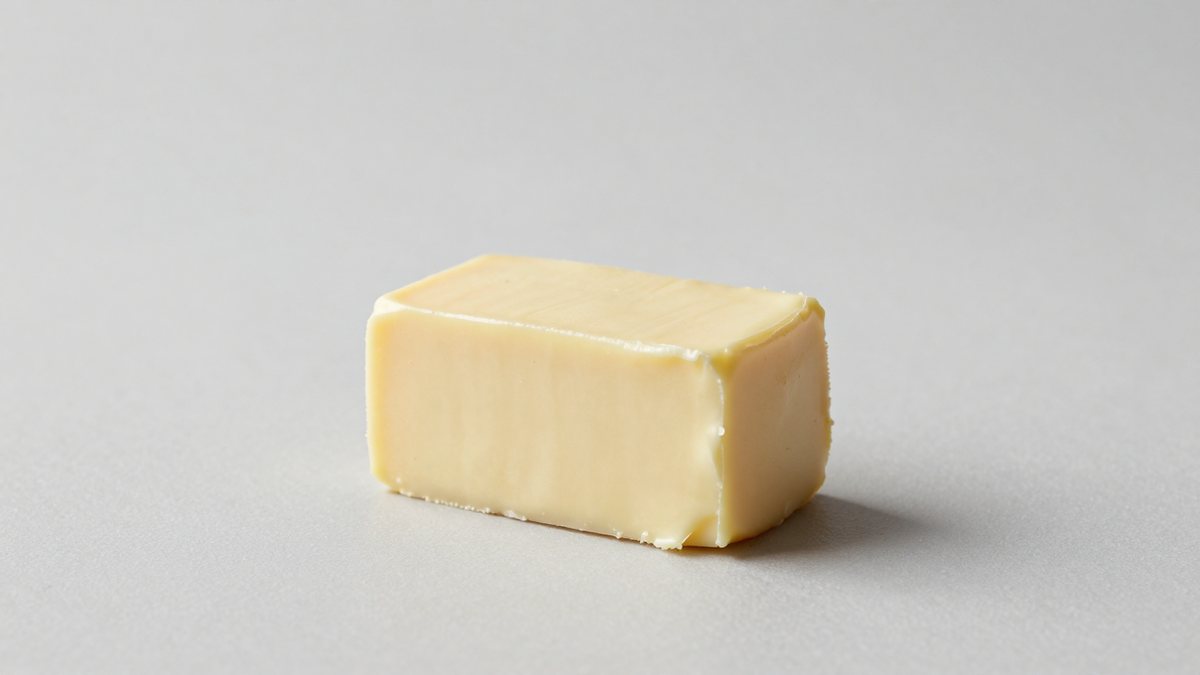
The best truffle butter recipe for most cooks uses 115 g unsalted butter, 1–2 teaspoons truffle oil, and 1 teaspoon finely grated Parmesan or truffle paste; use fresh truffle instead when you want a cleaner, more aromatic result and are willing to pay considerably more.
As an Amazon Associate we earn from qualifying purchases at no extra cost to you.


Our Top Picks


Truffle Butter Recipe at a Glance
This recipe makes about 125 g of compound butter, enough for 6–8 servings. Keep the salt modest until the truffle ingredient is mixed in, because truffle pastes and flavored oils can contain salt already.
- 115 g unsalted butter, softened but not melted
- 1 teaspoon truffle oil, preferably one labeled with real truffle extract or truffle aroma
- 1 teaspoon finely grated Parmesan, optional
- 1/4 teaspoon fine sea salt, or to taste
- 1/8 teaspoon freshly ground black pepper
- Optional: 1 teaspoon truffle paste, replacing half or all of the truffle oil
Method
- Leave the butter at room temperature for 30–45 minutes, until it yields easily to a spoon but is not shiny or liquid.
- Stir in the truffle oil, salt, pepper, and Parmesan. If using truffle paste, mash it into the butter before adding the oil.
- Taste a small amount on a warm piece of bread. Add truffle oil in 1/4-teaspoon increments; its aroma becomes stronger after several minutes.
- Spoon the mixture onto parchment paper, shape it into a log about 4 cm in diameter, and twist the ends closed.
- Chill for at least 1 hour before slicing. For immediate use, spread it onto hot food while it is still soft.
Truffle Oil, Truffle Paste, or Fresh Truffle?
These ingredients are not interchangeable in flavor, cost, or shelf life. Truffle oil gives the strongest aroma for the least money, paste adds savory depth and visible truffle pieces, and fresh truffle provides the most nuanced flavor but is perishable and expensive.
| Truffle ingredient | Recommended amount per 115 g butter | Flavor and texture | Typical opened life | Best use |
|---|---|---|---|---|
| Truffle oil | 1–2 teaspoons | Strong aroma, smooth texture | Use within 1–3 months according to the label; refrigerate if directed | Weeknight pasta, popcorn, eggs, mashed potatoes |
| Truffle paste | 1–2 teaspoons | Earthier, savory, sometimes slightly coarse | Usually 5–10 days refrigerated after opening; follow the jar label | Sauces, crostini, steaks, roasted vegetables |
| Fresh truffle | 5–10 g, finely grated | Layered aroma, delicate flecks | Generally 5–7 days refrigerated when wrapped correctly | Special occasions and dishes where truffle is the main feature |
Product labels matter, especially for oil. Some bottles use real truffle pieces or extract, while others rely primarily on aroma compounds. That does not automatically make one unsuitable, but the flavor can differ sharply. A small bottle is often the sensible choice because the butter uses only teaspoons at a time.
Which Version Should You Choose?
| Your situation | Best choice | Why |
|---|---|---|
| Lowest cost or first attempt | Truffle oil | Easy to measure, widely available, and requires no special preparation |
| You want a more savory, mushroom-like result | Truffle paste | Adds solids, salt, and depth rather than aroma alone |
| You are serving a simple dish to showcase truffle | Fresh truffle | Its aroma is more subtle and complex when used shortly after purchase |
| You dislike strong artificial-tasting aromas | Paste or fresh truffle | Both can taste more integrated, although paste quality varies |
| You need butter for repeated meals | Oil-based butter, frozen in portions | It is easier to portion and usually more economical than fresh truffle |
How Much Truffle Ingredient Is Enough?
Start conservatively. The practical ratio is about 1 teaspoon of truffle oil or paste for every 115 g of butter. Increase to 2 teaspoons when the butter will be mixed into a large batch of pasta, potatoes, or vegetables. More is not always better: excess truffle oil can dominate the dish and leave a sharp, perfume-like finish.
For fresh truffle, use approximately 5 g per 115 g of butter for a restrained flavor or 10 g for a pronounced one. Grate it directly into softened butter, then cover the mixture and refrigerate overnight. The butter absorbs aroma as it rests. If the truffle is particularly fragrant, 5 g may be sufficient.
A useful scaling calculation
For a dinner serving four people, allow about 15 g of truffle butter per person. That requires 60 g of finished butter. Using the 1-teaspoon-per-115-g ratio, calculate 60 ÷ 115 = 0.52; therefore, start with roughly half a teaspoon of truffle oil or paste, then adjust after tasting. This prevents over-seasoning a small batch.
Storage: Refrigerator or Freezer?
Wrap the finished butter tightly in parchment and then place it in an airtight container. Refrigerate it at 4°C or below. An oil-based truffle butter is best within 5–7 days for peak aroma, although plain butter itself lasts longer. Paste and fresh-truffle versions should be treated more cautiously because they introduce moist ingredients; use them within 3–5 days unless the ingredient’s label gives a shorter period.
For longer storage, freeze the butter in 15–30 g portions. A well-wrapped portion is best used within 1–2 months for good flavor. Mark the date on the wrapping, and thaw it overnight in the refrigerator. Do not repeatedly thaw and refreeze the same log.
Discard the butter if it develops mold, an unpleasant sour or rancid odor, unusual discoloration, or a watery, separated appearance accompanied by an off smell. Keep fresh truffles dry; washing them before storage can encourage spoilage. Brush off soil, wrap them in a dry paper towel, and change the towel if it becomes damp.
Common Mistakes and Better Fixes
Melting the butter
Liquid butter makes it harder to distribute solids evenly and can produce a greasy finished texture. Soften it instead. If the butter becomes liquid, chill it until opaque and pliable before mixing.
Adding truffle oil to a very hot pan
High heat quickly drives off the aroma that makes the ingredient valuable. Finish the dish with truffle butter after removing the pan from the heat, or let the food cool for a minute before stirring it in.
Using too many competing flavors
Garlic, chili, strong blue cheese, and heavy smoked ingredients can bury delicate truffle notes. Keep the base simple: salt, black pepper, Parmesan, chives, or a small amount of lemon zest work better.
Using salted butter without adjusting the recipe
Salt levels vary between brands, and paste may be salty too. Unsalted butter gives you control. If salted butter is all you have, omit the added salt until the final tasting.
Best Ways to Serve Truffle Butter
- Pasta: Toss 15–20 g with hot pasta and 1–2 tablespoons of pasta water per serving. The water creates a glossy coating without requiring cream.
- Steak or roasted chicken: Add a 10–15 g slice during the resting period so it melts gradually rather than burning in the pan.
- Potatoes: Stir 20 g into 500 g of hot mashed potatoes, then taste before adding more salt.
- Eggs: Use about 5 g per serving in scrambled eggs or an omelet, adding it after the eggs are nearly set.
- Vegetables: Toss 10 g with roasted mushrooms, asparagus, corn, or cauliflower just before serving.
- Bread and toast: Spread a thin layer on warm bread; a little is enough because the heat releases the aroma.
For the most balanced truffle butter recipe, choose oil for convenience, paste for savory depth, or fresh truffle for a short-lived centerpiece. Keep the ratio near 1 teaspoon per 115 g of butter, add it off the heat, and freeze small portions if you will not use the batch within a week.