What's inside
- Top Picks at a Glance
- Comparison Table
- 1. DEWALT 20V MAX Drill and Impact Driver (DCK240C2): Best Overall
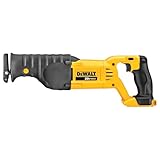
- 2. DEWALT 20V MAX XR Oscillating Multi-Tool (DCS356B): Best Multi-Purpose Specialty Tool
- 3. SKIL 15 Amp 7-1/4 Inch Circular Saw with Laser Guide: Best for Straight Cuts
- 4. SKIL 5 Inch Random Orbital Sander: Best for Refinishing
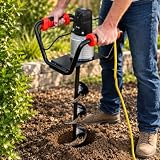
- 5. XtremepowerUS 1500W Electric Post Hole Digger: Best for Fences and Planting
- 6. Saker 6 Inch Cordless Mini Chainsaw: Best for Yard Pruning
- 7. Drain Auger with Drill Adapter, 25 Feet: Best for Clogged Drains
- Also Consider
- How We Chose
- Buying Guide
- A Realistic Buying Order for Your First Tools
- Which Tool for Which Job?
- Frequently Asked Questions
- Which One Should You Buy?
- Sources
As an Amazon Associate I earn from qualifying purchases. This post may contain affiliate links at no extra cost to you.
The best power tools for homeowners are the ones that cover the jobs you will actually meet: a cordless drill and impact driver pair first, then a few specialty tools for the yard, fence and plumbing. Our top pick is the DEWALT 20V MAX Drill and Impact Driver combo (DCK240C2), because it handles most household drilling and fastening with two batteries and a charger in one kit. The runner-up for pure versatility is the DEWALT 20V MAX XR Oscillating Multi-Tool (DCS356B), which cuts, scrapes and sands in spots other tools cannot reach. For one-off outdoor and plumbing jobs, the XtremepowerUS 1500W electric post hole digger, the Saker mini chainsaw and a drill-driven drain auger earn their space by saving a hired crew.
This guide is research-based. We compared manufacturer specifications, listing details and safety guidance from public agencies, and we did not personally use these tools. Power tools can injure you, so read the manual, wear eye and hearing protection, and follow the maker’s instructions. We also cover three specialty tools people search for by name: the electric post hole digger, the mini chainsaw and the drain auger drill attachment.
As an Amazon Associate we earn from qualifying purchases at no extra cost to you.


Our Top Picks


Top Picks at a Glance
- Best Overall: DEWALT 20V MAX Drill and Impact Driver Combo (DCK240C2)
- Best Multi-Purpose Specialty Tool: DEWALT 20V MAX XR Oscillating Multi-Tool (DCS356B, tool only)
- Best for Straight Cuts: SKIL 15 Amp 7-1/4 Inch Circular Saw with Laser Guide (5280-01)
- Best for Refinishing: SKIL 5 Inch Random Orbital Sander (SR211601)
- Best for Fences and Planting: XtremepowerUS 1500W Electric Post Hole Digger
- Best for Yard Pruning: Saker 6 Inch Cordless Mini Chainsaw with 2 Batteries
- Best for Clogged Drains: 25 Foot Drain Auger with Drill Adapter
Comparison Table
| Tool | Best for | Key specs (from the listing) | Watch for | Cost tier |
|---|---|---|---|---|
| DEWALT DCK240C2 Drill and Impact Driver | Everyday drilling and fastening | 20V MAX, 2 batteries, charger, bag | Battery capacity not shown in the title | Premium |
| DEWALT DCS356B Oscillating Multi-Tool | Flush cuts, trim, scraping | 20V MAX XR, brushless, variable speed, LED, 2 wood blades, tool only | Battery and charger not included | Mid-range |
| SKIL 5280-01 Circular Saw | Plywood, framing lumber | 15 Amp corded, 7-1/4 in blade, single-beam laser guide | Corded; needs a power outlet or extension cord | Entry |
| SKIL SR211601 Random Orbital Sander | Smoothing wood and paint | 5 in pad, cyclonic dust box, 3 sanding sheets | Corded palm sander; light-duty | Entry |
| XtremepowerUS Post Hole Digger | Fence posts, tree planting | 1500W electric, 6 in bit, 3/4 in shaft | Heavy; can kick back if it hits a rock or root | Premium |
| Saker Mini Chainsaw | Branches and small logs | 6 in bar, cordless, 2 batteries | Not for felling trees | Entry |
| Drain Auger with Drill Adapter | Sink, shower and tub clogs | 25 ft flexible, manual or drill-powered, gloves included | Not for main sewer lines | Entry |
1. DEWALT 20V MAX Drill and Impact Driver (DCK240C2): Best Overall
- Two-tool combo: cordless drill/driver and impact driver
- Includes 2 batteries, a charger and a tool bag
- 20V MAX battery platform, per the maker
- Battery amp-hour rating: not listed in the title
Best for: Homeowners who want one kit to hang shelves, assemble furniture, build a deck rail and drive long screws. Skip if: you already own a drill and only need an impact driver, in which case buy the bare tool.
The two tools in this kit do different jobs. A drill/driver has an adjustable clutch and a chuck, so it makes clean holes and drives small screws without stripping them. An impact driver delivers short rotational bursts, which makes it far better at long, thick screws and lag bolts, and it does so with less wrist strain. Having both lets you drill a pilot hole with one and drive the fastener with the other without changing bits.
Platform matters more than any single tool. Choosing DEWALT’s 20V MAX line means batteries are shared with the multi-tool in this guide and with a long list of other tools from the same maker. If you later add a trimmer or a blower on the same battery, you save money by buying them as bare tools.
We have separate guides on drill combos and brushless drills, so we keep this entry short: it is the sensible foundation for a homeowner’s tool collection.
Pros:
- Two essential tools in one kit
- Two batteries so one can charge while the other works
- Carry bag keeps it organized
- Large battery platform
Cons:
- Higher cost than single-tool kits
- Battery capacity not stated in the title
2. DEWALT 20V MAX XR Oscillating Multi-Tool (DCS356B): Best Multi-Purpose Specialty Tool
- Brushless motor with variable speed
- LED work light
- Two wood-cutting blades included
- Tool only: battery and charger not included
Best for: Trimming door casings, cutting plumbing pipe in tight spaces, scraping old caulk and sanding in corners. Skip if: you do not already have a compatible 20V MAX battery.
An oscillating multi-tool vibrates a blade side to side in a very small arc, which lets you plunge into a wall or floor without a long swing. That makes it the go-to tool for jobs that a circular saw or jig saw cannot reach, such as cutting a door jamb so new flooring slides underneath. It also takes scraper, sanding and grout-removal attachments.
The brushless motor in the XR line is designed for longer runtime and less wear, per the maker. Because it is sold as a bare tool, the best way to buy it is as a second tool after the combo kit, which already has batteries. If you want a lower-cost entry, Ryobi’s ONE+ 18V multi-tool (listed below) is an alternative inside a different battery system.
Pros:
- Reaches tight spots
- Brushless motor
- Takes many accessories
- Shares batteries with the combo kit
Cons:
- Tool only
- Accessory blades wear out and need replacing
3. SKIL 15 Amp 7-1/4 Inch Circular Saw with Laser Guide: Best for Straight Cuts
- 15 Amp corded motor
- 7-1/4 inch blade, the standard size for lumber and sheet goods
- Single-beam laser guide
- Model 5280-01
Best for: Cutting 2x4s, plywood, decking and shelving boards. Skip if: you only make small cuts in trim or want a cordless saw with no extension cord.
A 7-1/4 inch corded circular saw is the workhorse of home carpentry. The 15 Amp motor is the typical rating for a full-size saw and gives steady power for dimensional lumber without the battery limits of a cordless model. The laser guide shows the cut line, though you should always confirm the line with a mark and a square, and let the blade guard do its job.
For better results, clamp the board, set the blade depth about a quarter inch more than the thickness of the material, and cut on the waste side of the line. Use a straightedge guide for plywood. We have a longer guide on circular saws, including cordless and mini models, so this section stays focused on why a corded saw suits a homeowner on a lower-cost footing.
Pros:
- Full-size 7-1/4 inch blade
- Consistent corded power
- Laser guide for line reference
Cons:
- Cord limits where you can work
- Heavier than mini saws
4. SKIL 5 Inch Random Orbital Sander: Best for Refinishing
- 5 inch pad, random orbital motion
- Cyclonic dust box
- Three sanding sheets included
- Model SR211601
Best for: Smoothing furniture, doors, decks rails and walls before painting or staining. Skip if: you need to remove heavy paint or sand large floors, which calls for a belt or floor sander.
A random orbital sander spins and oscillates its pad at once, which prevents the swirl marks that a plain rotary sander leaves. A 5 inch pad is the common size, and replacement sanding discs are sold almost everywhere. The built-in dust box helps keep the work area cleaner; for finer dust, connect a shop vacuum if the sander has a port.
A tip for good results: start with a coarser grit to remove old finish, then move to progressively finer grits, such as 80, 120 and then 220, without skipping steps. Let the sander do the work and avoid pressing down hard. Wear a dust mask when sanding.
Pros:
- Random orbit leaves a smoother finish
- Dust collection included
- Replacement discs are widely sold
Cons:
- Light-duty for big projects
- Corded
5. XtremepowerUS 1500W Electric Post Hole Digger: Best for Fences and Planting
- 1500W electric motor
- 6 inch auger bit
- 3/4 inch shaft
- Intended for fence posts, tree planting and landscaping, per the listing
Best for: Homeowners who are building a fence, setting mailbox or deck posts, or planting several trees. Skip if: you need just one hole, in which case renting or using a manual digger is cheaper.
Digging post holes by hand is slow and hard on the back. An electric earth auger turns that into a task of minutes per hole in soft to moderate soil. A 6 inch bit suits 4×4 posts with room for concrete or gravel around them. Corded models need an outlet or a generator and an extension cord rated for the load.
Safety is the key point with any earth auger. If the bit hits a rock or root, the tool can twist suddenly. Hold it firmly, keep your stance wide, and use a model with two handles. Call 811 (in the United States) before you dig to have underground utility lines marked, and never dig without checking. We recommend gloves, safety glasses and sturdy boots.
The listing does not state weight or an auger length, so confirm those with the seller if hole depth matters for your project; typical fence posts need holes about a third of the post length deep, or deeper depending on local code and frost line.
Pros:
- Saves hours on a fence project
- 6 inch bit suits common posts
- 1500W motor is a strong rating for the class
Cons:
- Heavy and can kick back
- Corded
- Weight and length not listed
6. Saker 6 Inch Cordless Mini Chainsaw: Best for Yard Pruning
- 6 inch cordless electric chainsaw
- Includes 2 batteries
- Portable one-hand style design for tree branches, gardens and household use, per the listing
Best for: Pruning small branches, trimming shrubs and cutting small firewood pieces. Skip if: you need to fell a tree or cut thick logs; that calls for a full-size saw and training, or a professional.
A mini chainsaw is a small, battery-powered chain saw built for light work. The 6 inch bar length limits the thickness of the wood you can cut, so treat it as a branch tool. Two batteries mean you can keep working while one charges.
These small saws are still real chainsaws and can cause serious injury. Use two hands if the design allows, wear eye protection, cut-resistant gloves and sturdy boots, and never use one on a ladder or above shoulder height. Check chain tension and oil as the manual describes. For higher branches, use a pole saw or call a tree service.
The title does not list motor power, battery voltage or chain speed, so we mark them as not listed. If you expect heavy use, confirm these with the maker.
Pros:
- Light and portable
- Two batteries
- Handy for pruning and cleanup
Cons:
- Short bar limits cut size
- Specs not shown in the title
- Safety risk if misused

7. Drain Auger with Drill Adapter, 25 Feet: Best for Clogged Drains
- 25 foot flexible auger
- Use manually or with a drill via the adapter
- For kitchen, bathroom and shower sinks, per the listing
- Gloves included
Best for: Hair clogs and soft blockages in sinks, tubs and showers. Skip if: the clog is in the main sewer line or the toilet; those need a different tool or a plumber.
A drain auger, often called a plumbing snake, is a flexible cable with a spiral tip that hooks or breaks up a clog. This model can be turned by hand or driven by a drill using the adapter, which saves effort on a stubborn clog. Use the drill on a low speed, feed the cable in slowly, and stop if it binds so the cable does not whip.
It is a good example of a “cheap tool, high payoff” item: a plumber’s visit costs far more than the tool. Wear the supplied gloves, protect the finish of sinks and tubs, and avoid chemical drain cleaners in a drain you plan to snake, because splashing chemicals are dangerous. If water backs up in several fixtures at once, call a plumber.
Pros:
- Works by hand or with a drill
- 25 foot length reaches past traps
- Gloves included
Cons:
- Not for main lines
- Can scratch fixtures if careless

Also Consider
BLACK+DECKER 20V MAX Drill Driver Kit with 100 Piece Accessory Set
A lower-cost starter kit with a drill, a battery, a charger and 100 accessories. A good first tool for renters and light DIY. Cost tier: Entry.
Ryobi ONE+ 18V Cordless Oscillating Multi-Tool
A tool-only multi-tool on the Ryobi 18V battery system. Choose it if you already own Ryobi batteries. Cost tier: Entry.
SKIL 6 Amp Corded Jig Saw
A corded jig saw with tool-free blade change, for curves and cutouts. A sensible add-on once you have a circular saw. Cost tier: Entry.
Hammerhead 4.8 Amp Jig Saw
A 3/4 inch stroke jig saw with variable speed and orbital function, supplied with two wood blades. An alternative entry-level jig saw. Cost tier: Entry.
How We Chose
We looked at the tasks homeowners face and chose tools that cover them: fastening, cutting, sanding, digging, pruning and unclogging. We compared manufacturer specifications and listing details, and we used safety guidance from the Occupational Safety and Health Administration and the U.S. CPSC consumer product safety agency. We did not personally use these tools and we give no star ratings or performance scores. Where the listing did not list a detail, such as battery capacity or the weight of the post hole digger, we say “not listed”.
We also limited the list to two products per brand and avoided duplicating categories we already cover on this site in detail, such as drill combos and circular saws. Those are covered only briefly here; see our dedicated guides on them.
Buying Guide
Pick a battery platform before you buy tools
Batteries are the costly part of cordless tools, so choose one brand’s platform and buy bare tools to expand. Check that the tool you want exists in that platform: drill, impact driver, multi-tool, blower, trimmer. Voltage labels such as 18V and 20V MAX describe the same class of tool at different marketing conventions, but batteries are not interchangeable across brands.
Match corded versus cordless to the job
Corded tools give constant power and do not run out of charge, which suits long cuts, sanding sessions and heavy digging. Cordless tools win on convenience for drilling, driving and quick jobs. A mixed kit is normal: cordless drill and multi-tool, corded saw and sander.
Start with the five most-used tools
For most homes, the order of purchase is: drill/driver, impact driver, circular saw, multi-tool, then a sander or jig saw. Add specialty tools only when a project demands them, and consider renting items you will use once, such as a large earth auger.
Look at safety features and PPE
Choose tools with guards, brakes and lock-off switches, and plan for safety glasses, hearing protection, gloves and a dust mask. Never remove guards. Unplug or remove the battery when changing blades or bits.
Plan storage and maintenance
Store batteries indoors at room temperature, not in a hot garage or a freezing shed. Keep blades and bits sharp, and clean dust from vents. A simple tool bag or a wall rack keeps tools findable and protects them.
A Realistic Buying Order for Your First Tools
Instead of a cost figure, think in stages. Stage one is the drill and impact driver combo plus a set of bits, a tape measure, a level and safety gear. That stage handles shelves, curtain rods, furniture, small repairs and most deck screws. Stage two adds a circular saw and a multi-tool, which opens up trim work, flooring, framing and small carpentry. Stage three is the yard and plumbing group: the post hole digger, mini chainsaw and drain auger, bought only when a project calls for them. Following this order means you never own a tool that sits unused, and each purchase builds on the battery platform you already have.
Before each new project, write down the three tools it needs and check what you already own. If one is missing and you will use it once, rent it. If the same tool shows up in your next two projects, buy it.
Which Tool for Which Job?
| Project | Core tool | Helpers |
|---|---|---|
| Build a wooden fence | Post hole digger | Circular saw, drill/driver, impact driver |
| Trim a door for new flooring | Oscillating multi-tool | Sander for the edges |
| Refinish a table | Random orbital sander | Drill for hardware |
| Clear a slow shower drain | Drain auger and drill | Gloves, bucket |
| Prune storm-damaged branches | Mini chainsaw | Hand pruning saw, eye protection |
| Assemble shelves and furniture | Drill and impact driver combo | Level, tape measure |
Frequently Asked Questions
What are the first power tools a homeowner should buy?
Start with a cordless drill and impact driver combo, then add a circular saw and an oscillating multi-tool. These cover the majority of home repair and DIY jobs.
Is an electric post hole digger worth it?
It is worth it if you are setting several posts, because it saves hours of digging. For one or two holes, a manual digger or a rental is more economical. Always call your local utility locating service before digging.
Is a mini chainsaw safe for homeowners?
It can be used safely for small branches if you wear eye protection and gloves, keep both hands on the saw and follow the manual. It is not suited to felling trees or working overhead.
Can I use a drain auger with a drill?
Many augers, including the 25 foot model featured here, include a drill adapter. Use a low speed, feed slowly and stop if the cable binds. For sewer-line clogs, call a plumber.
Cordless or corded: which is better for a homeowner?
Cordless is better for drills and multi-tools, where convenience matters. Corded often makes sense for saws and sanders that run longer. A mix of both is common.
Which brand should I choose?
Choose the brand whose battery platform offers the tools you want and is sold near you for service. DEWALT, Ryobi and SKIL are widely available; check the maker’s warranty terms before you buy.
Do I need a multi-tool if I have a circular saw and jig saw?
Often yes, because the multi-tool does flush cuts and plunge cuts in places those saws cannot reach, and it also scrapes and sands.
Which One Should You Buy?
If you own nothing, buy the DEWALT DCK240C2 combo and the SKIL circular saw, then add the oscillating multi-tool on the same battery platform. If your weekend plans include a fence, the XtremepowerUS post hole digger pays for itself on the first project. For yard cleanup, the Saker mini chainsaw handles light pruning. Keep the drain auger in the hall closet for the clog that always comes at a bad time. Add the SKIL sander when you start refinishing furniture or prepping walls.
Sources
- Occupational Safety and Health Administration, hand and power tool safety guidance
- CPSC (U.S. consumer product safety agency), power tool safety information
- DEWALT manufacturer product pages
- SKIL manufacturer product pages
- 811 Call Before You Dig national information
Last updated: October 2026